FLASHCARDS REVIEW METHODS

Let's face it, studying can be a real drag, especially when you're trying to mem...
Download Original →Active Recall Techniques for Flashcards

Enhance memory retention by actively recalling information from flashcards instead of passively reading. This method strengthens neural pathways, making recall during exams more efficient and reliable.
Download Original →Spaced Repetition System (SRS) for Review

Optimize learning by spacing out flashcard reviews over increasing intervals. SRS aligns with the forgetting curve, ensuring information is reinforced just before it’s forgotten, boosting long-term retention.
Download Original →Leitner Box System for Flashcards

Organize flashcards into boxes based on mastery level. Correct answers advance cards to the next box, while mistakes reset them, focusing review on weaker areas for efficient learning.
Download Original →Peer Teaching with Flashcards
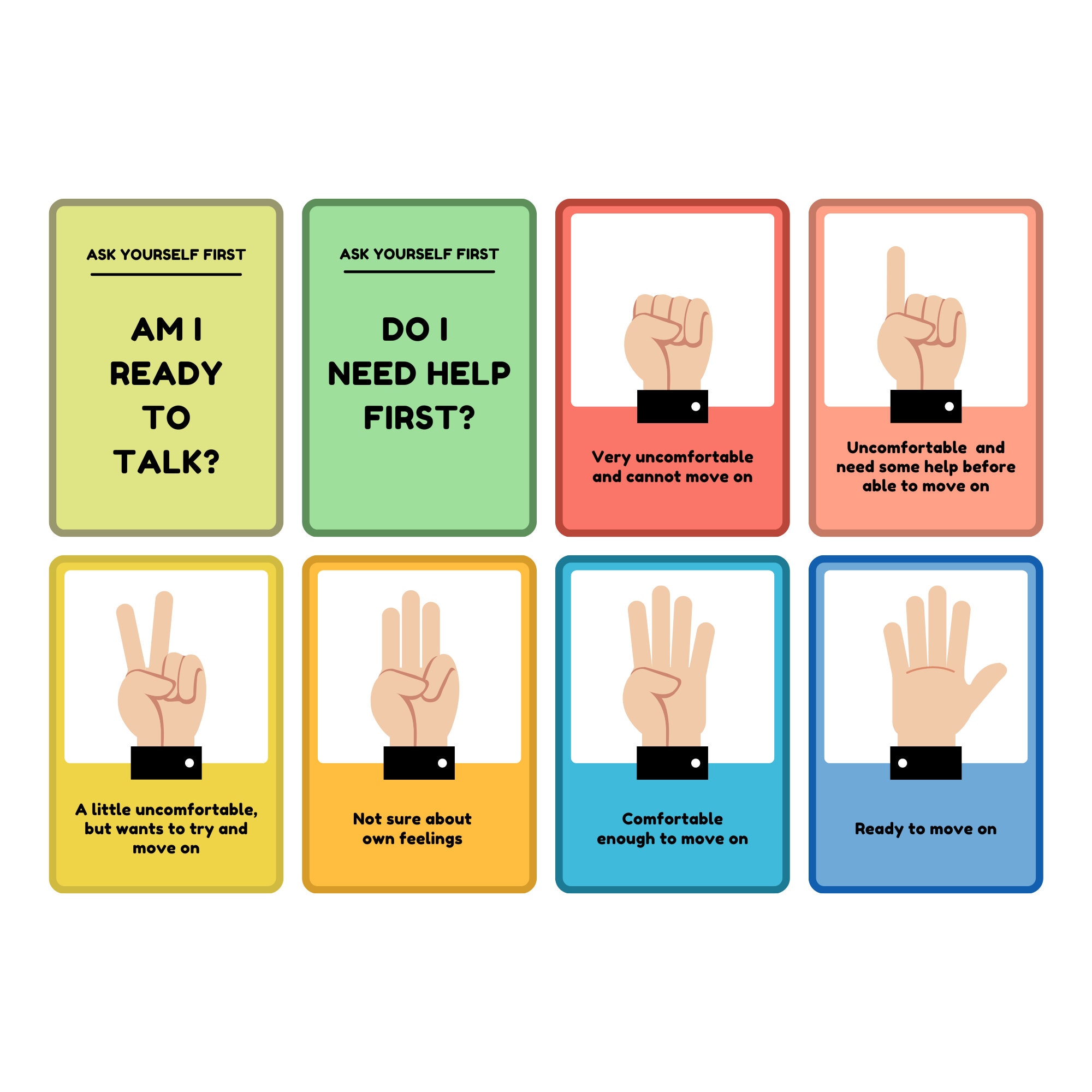
Teach concepts from flashcards to peers to reinforce understanding. Explaining material to others highlights gaps in knowledge and deepens comprehension through active engagement and discussion.
Download Original →Self-Quizzing with Digital Flashcards

Use digital flashcard apps to create quizzes that test recall. Immediate feedback and progress tracking help identify weak areas, making study sessions more targeted and effective.
Download Original →Storytelling with Flashcards

Link flashcard content into a narrative to improve memorization. Stories create context and emotional connections, making abstract information more memorable and easier to recall later.
Download Original →Visual Mnemonic Flashcard Review

Pair flashcard content with vivid images or diagrams to enhance memory. Visual associations create stronger mental links, making complex information more accessible during recall.
Download Original →Group Study Sessions with Flashcards

Collaborate with peers to review flashcards, sharing explanations and quizzing each other. Group dynamics foster accountability, diverse perspectives, and deeper understanding of the material.
Download Original →Timed Flashcard Challenges

Set timers to review flashcards within a specific timeframe, increasing pace over time. This method builds speed and confidence, preparing for time-constrained exams effectively.
Download Original →Interleaved Practice with Flashcards

Mix flashcards from different topics to prevent rote memorization. Interleaving encourages critical thinking and differentiation between concepts, improving long-term understanding and application.
Download Original →Active Recall Techniques

Enhance memory retention by actively recalling information from flashcards without looking at the answers first. This method strengthens neural pathways, making recall faster and more accurate during exams or real-life applications.
Download Original →Spaced Repetition System

Optimize learning by reviewing flashcards at increasing intervals based on mastery. This scientifically proven method ensures long-term retention by reinforcing information just before it’s forgotten, maximizing efficiency and effectiveness.
Download Original →Leitner Box Method
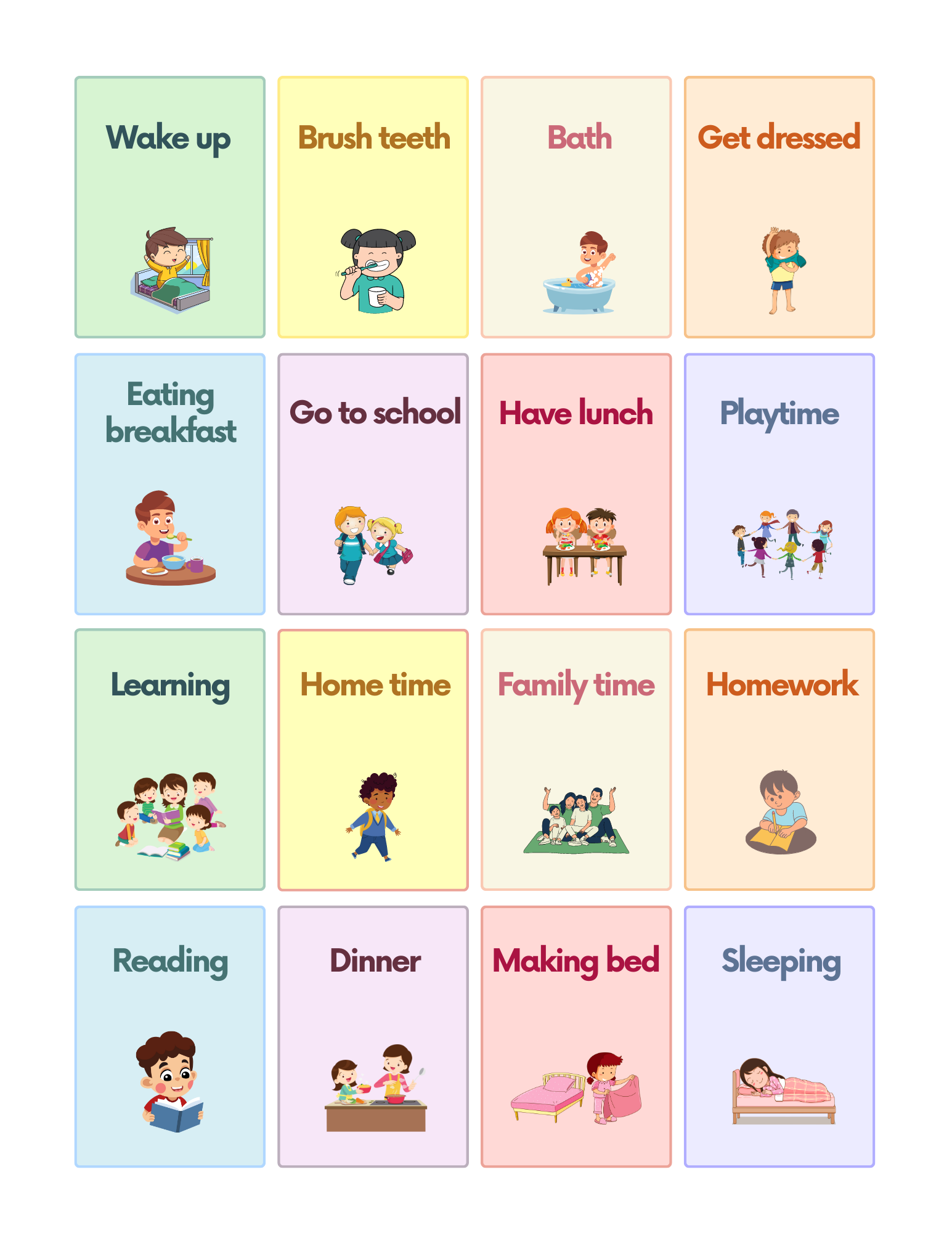
Organize flashcards into boxes based on mastery level, moving cards to the next box after successful recall. This method prioritizes difficult concepts, ensuring focused review and gradual improvement over time.
Download Original →Peer Teaching with Flashcards

Collaborate with peers to teach flashcard content to each other. Explaining concepts aloud reinforces understanding and highlights areas needing improvement, fostering active engagement and deeper learning through social interaction.
Download Original →