SCIENCE WORKSHEETS CLASS 7

Your kid glues another model of Saturn together while you're still trying to rem...
Download Original →Photosynthesis in Plants
Explore how plants convert sunlight into energy with this interactive worksheet. Students label chloroplasts, trace carbon dioxide and oxygen cycles, and answer questions about chlorophyll's role in food production.
Download Original →Electric Circuits and Symbols

Learn to draw and interpret circuit diagrams using standard symbols. This worksheet includes exercises on series and parallel circuits, identifying conductors and insulators, and predicting bulb brightness changes.
Download Original →Human Digestive System

Trace the journey of food through the mouth, stomach, and intestines. Activities include matching organs to functions, labeling a diagram, and explaining how enzymes break down nutrients for absorption.
Download Original →States of Matter and Changes
Investigate solids, liquids, and gases with real-world examples. Students complete tables on particle arrangement, identify melting and boiling points, and explain evaporation and condensation processes.
Download Original →Nutrition in Animals
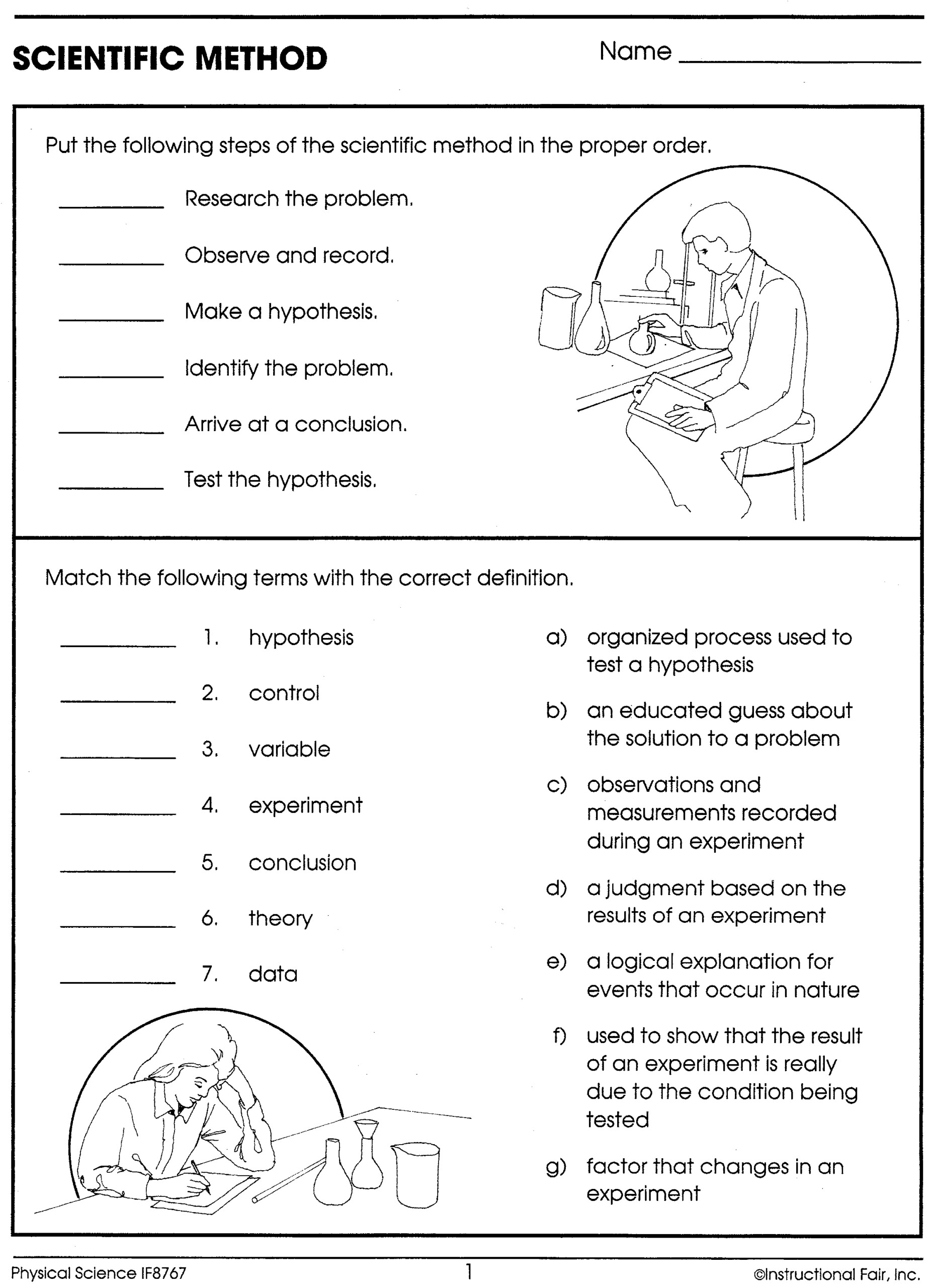
Compare herbivores, carnivores, and omnivores through food chain puzzles. This worksheet covers digestion modes, feeding habits, and the role of teeth and saliva in breaking down food.
Download Original →Motion and Speed Calculations

Practice calculating speed, distance, and time using simple formulas. Word problems involve running, cycling, and car travel, with graph interpretation exercises to visualize uniform and non-uniform motion.
Download Original →Soil Types and Properties
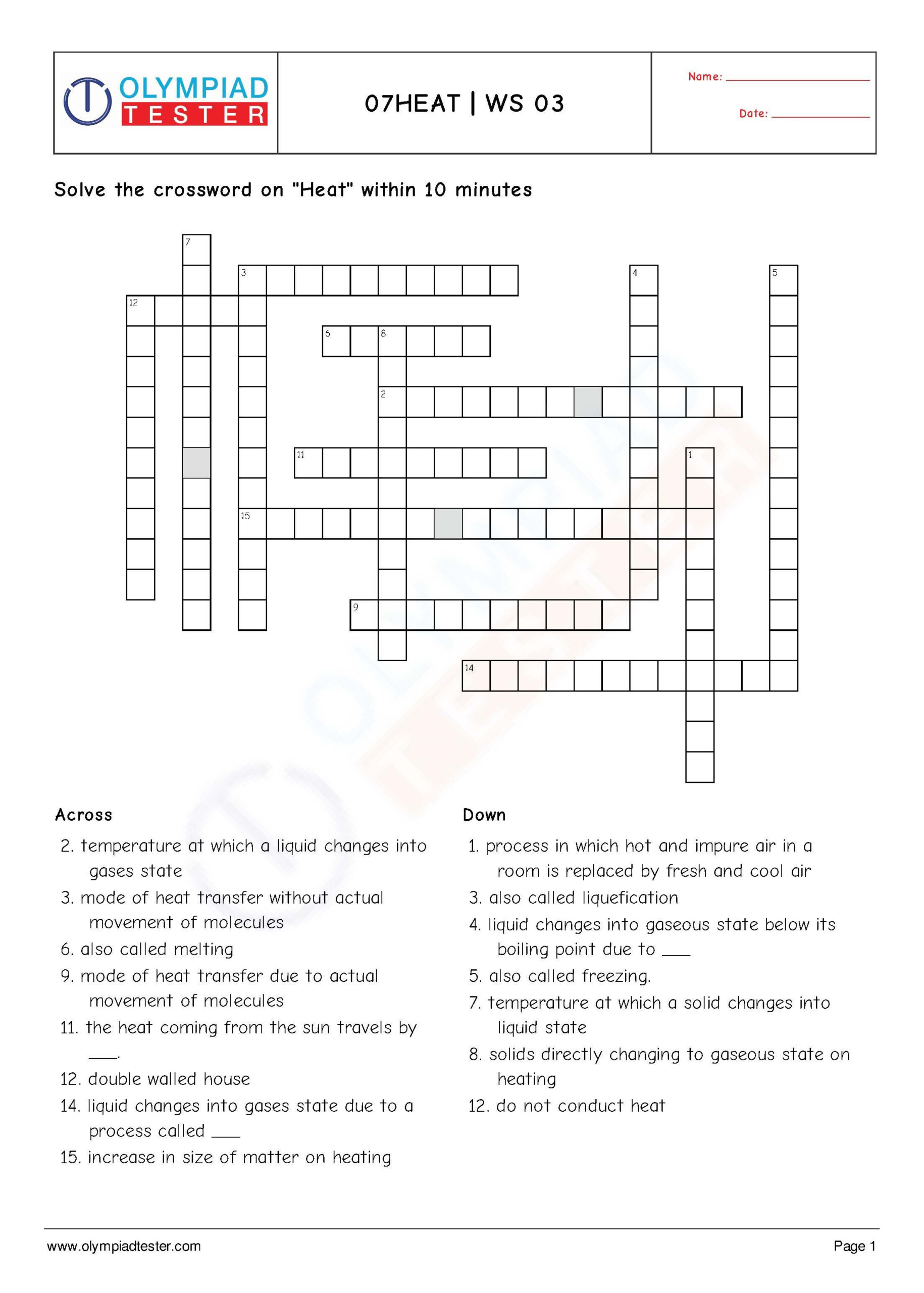
Discover sandy, clay, and loamy soils by analyzing texture, water retention, and permeability. Activities include matching soil types to crops and explaining how humus and weathering affect fertility.
Download Original →Heat Transfer: Conduction, Convection, Radiation
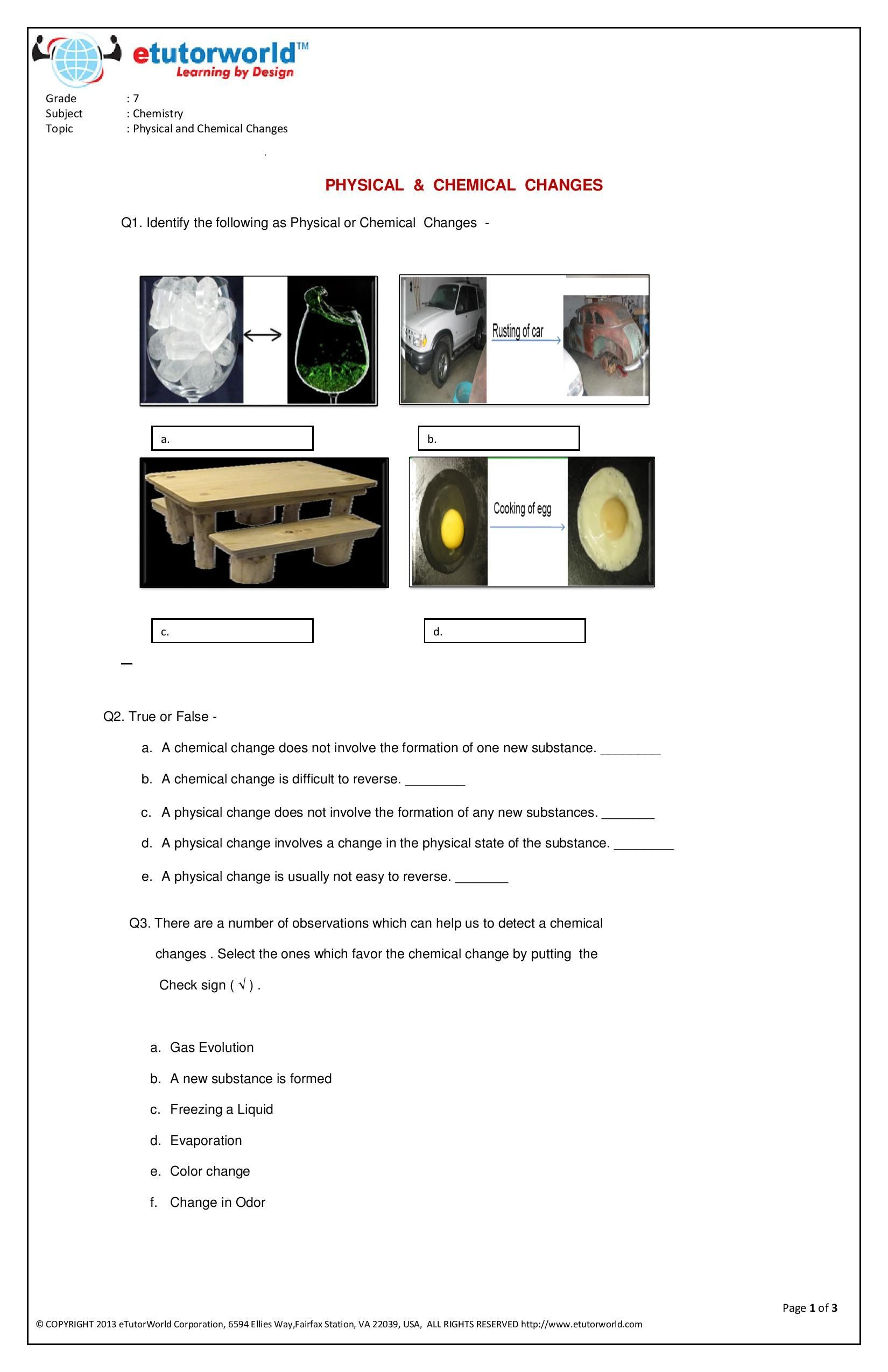
Identify how heat moves through solids, liquids, and gases. Worksheet tasks include sorting everyday examples, labeling diagrams of a hot air balloon, and explaining why metal feels colder than wood.
Download Original →Respiration in Organisms
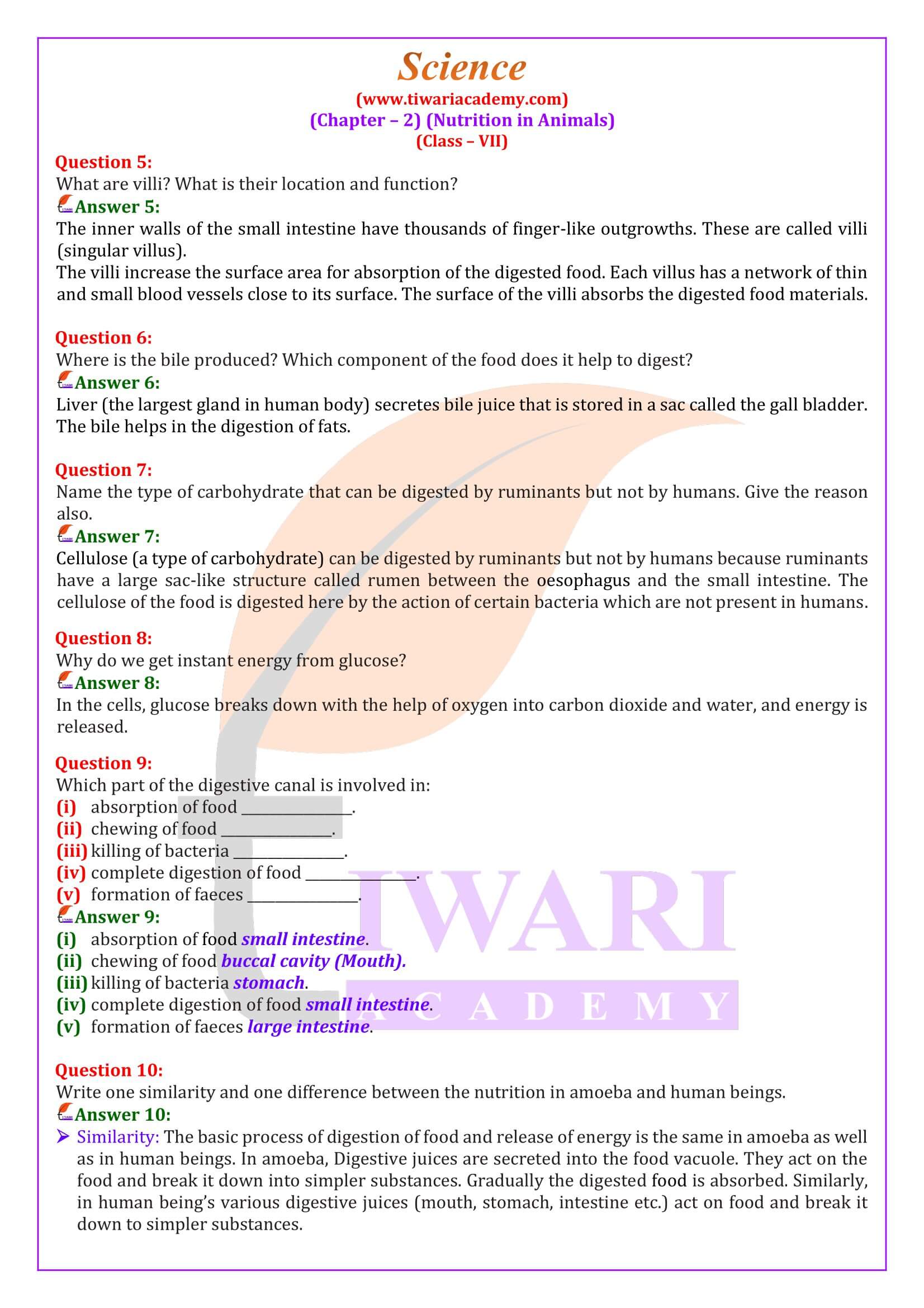
Compare aerobic and anaerobic respiration with cellular diagrams. Students match respiratory organs to animals, calculate oxygen consumption rates, and explain why muscles ache after exercise.
Download Original →Acids, Bases, and Salts
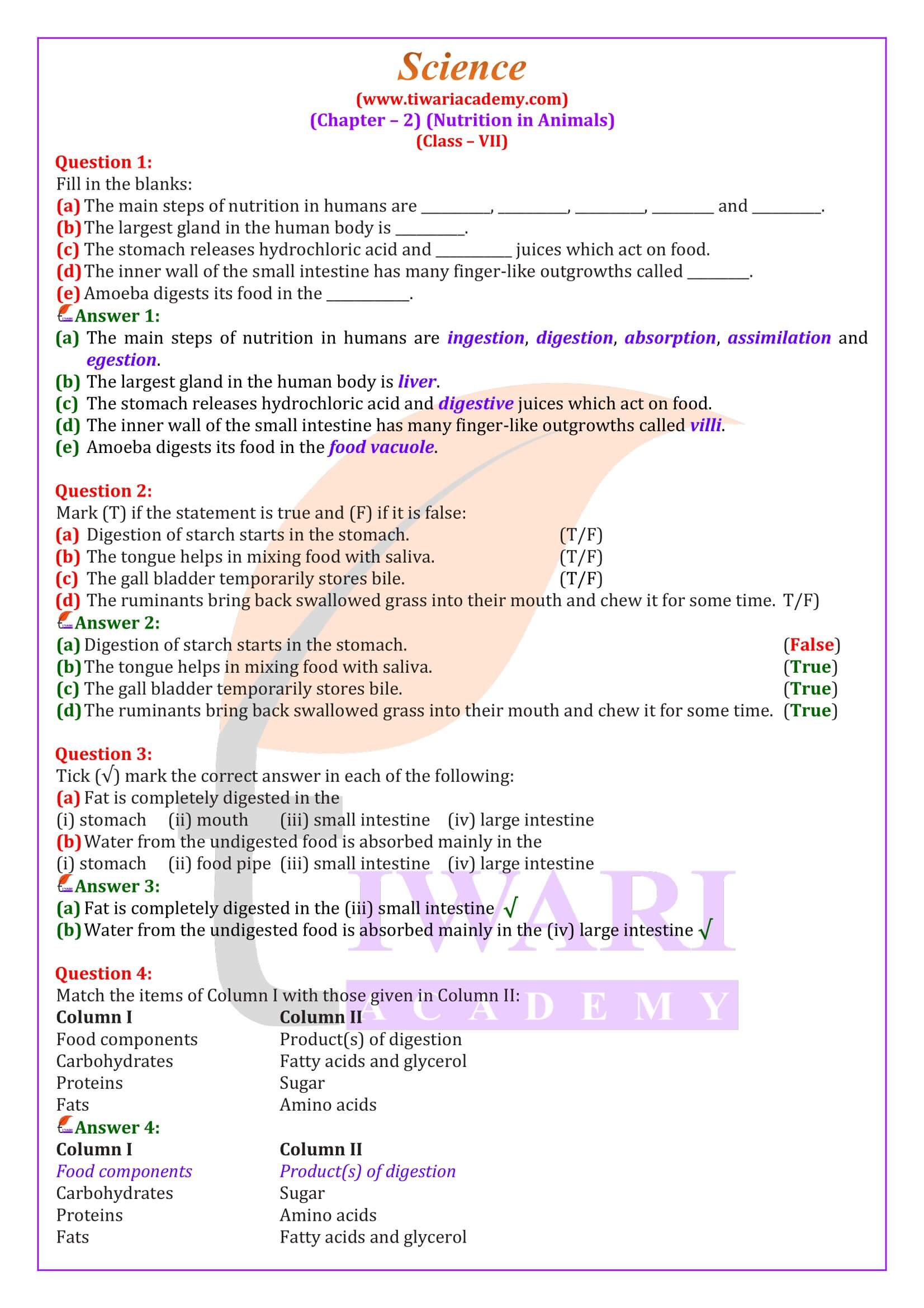
Test common substances with litmus paper indicators in this worksheet. Activities include classifying household items, writing neutralization reactions, and exploring how antacids relieve indigestion.
Download Original →Hands-On Science: Class 7 Worksheet on Acids and Bases
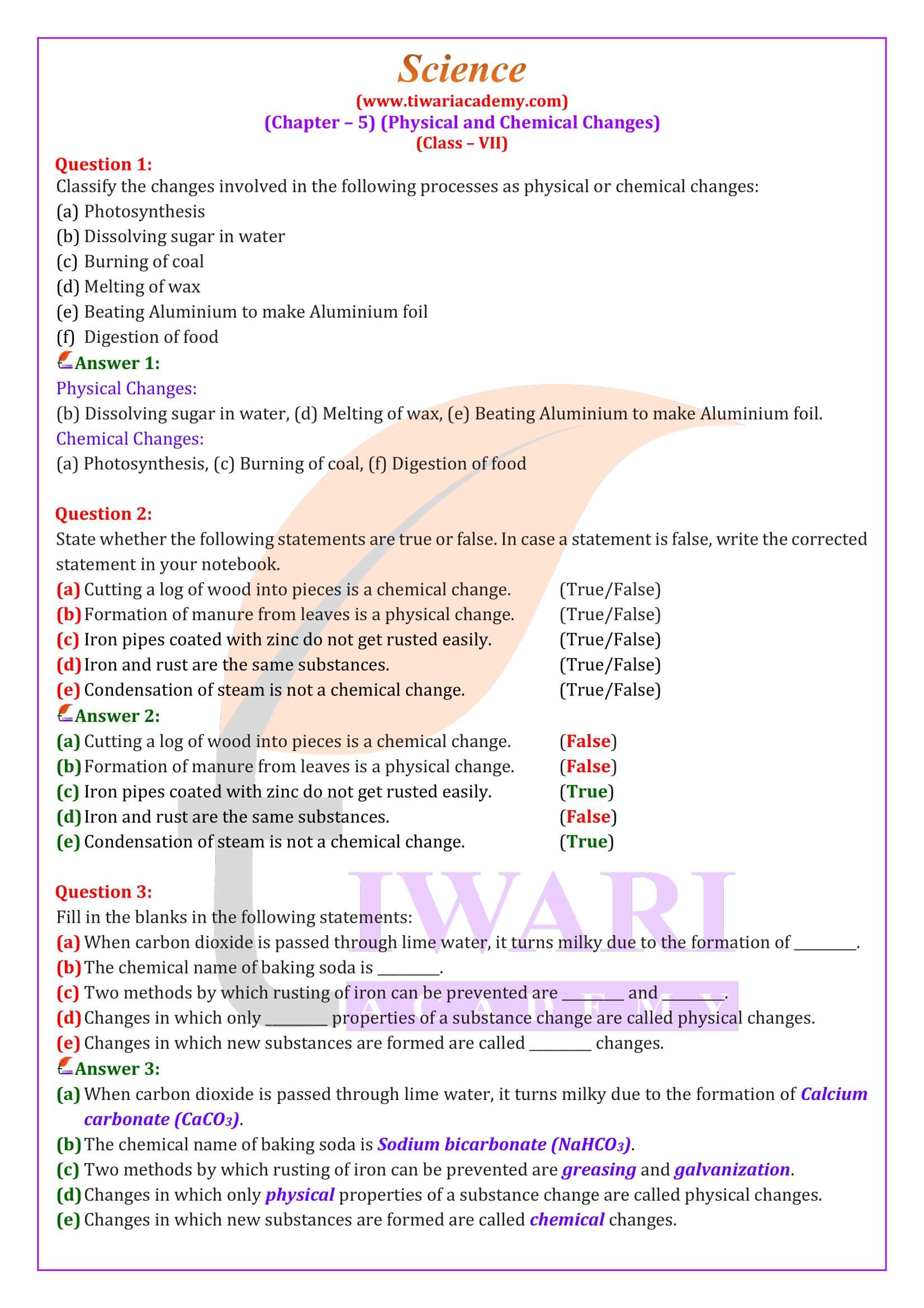
Explore the properties of acids and bases with this interactive worksheet. Students test common household substances using litmus paper, record color changes, and classify each item. Perfect for reinforcing key chemistry concepts through practical observation and critical thinking.
Download Original →Class 7 Science: Plant Nutrition and Photosynthesis Worksheet
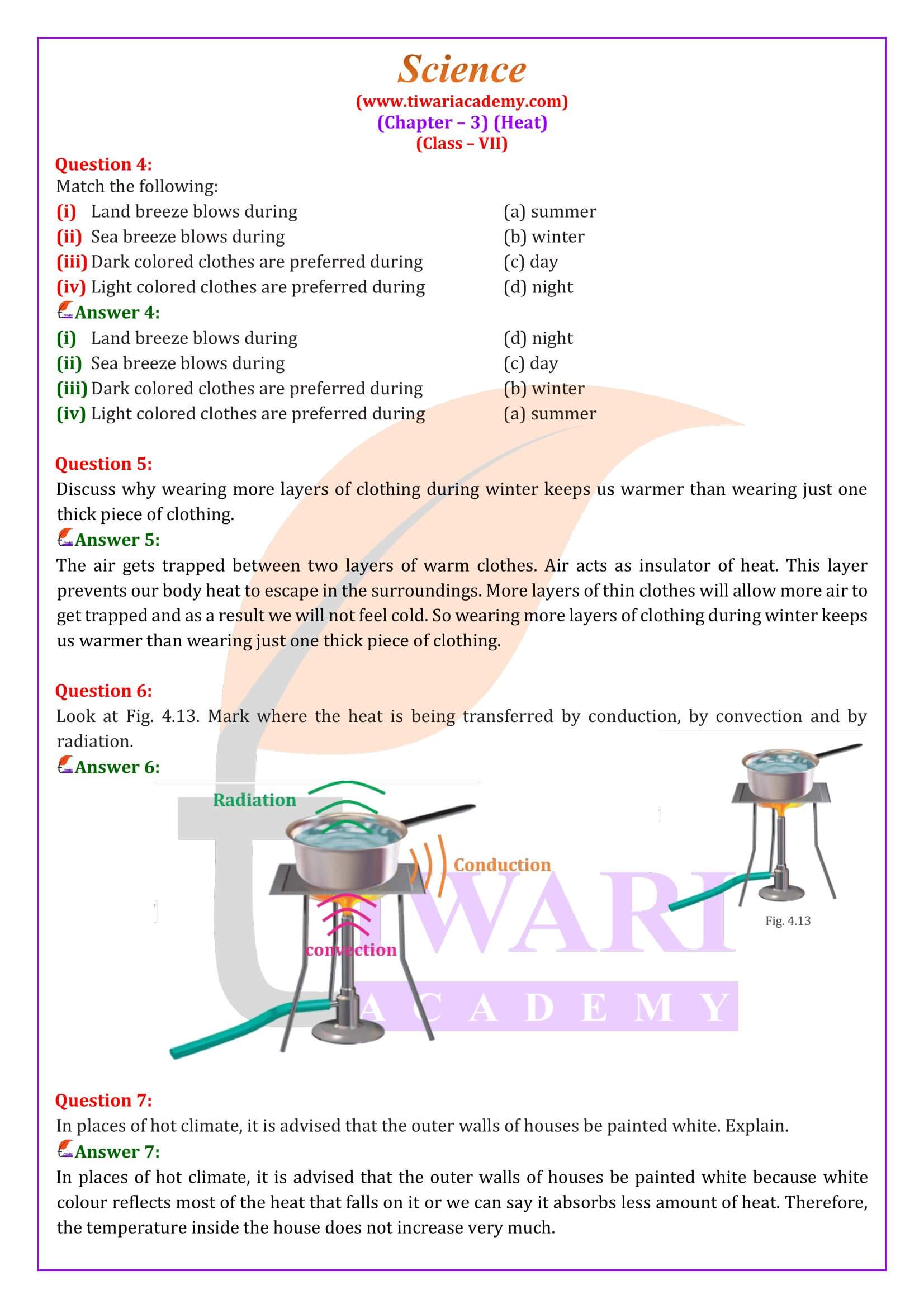
Dive into how plants make their own food. This worksheet covers the process of photosynthesis, including the roles of sunlight, chlorophyll, and carbon dioxide. Activities include labeling diagrams, matching terms, and short-answer questions to solidify understanding of plant biology.
Download Original →Heat and Temperature Worksheet for Class 7 Science

Understand the difference between heat and temperature with this engaging worksheet. Students solve problems on thermometers, heat transfer, and expansion. Includes real-life scenarios like why metal feels colder than wood, helping learners connect science to everyday experiences.
Download Original →Class 7 Science Worksheet: Motion, Speed, and Time
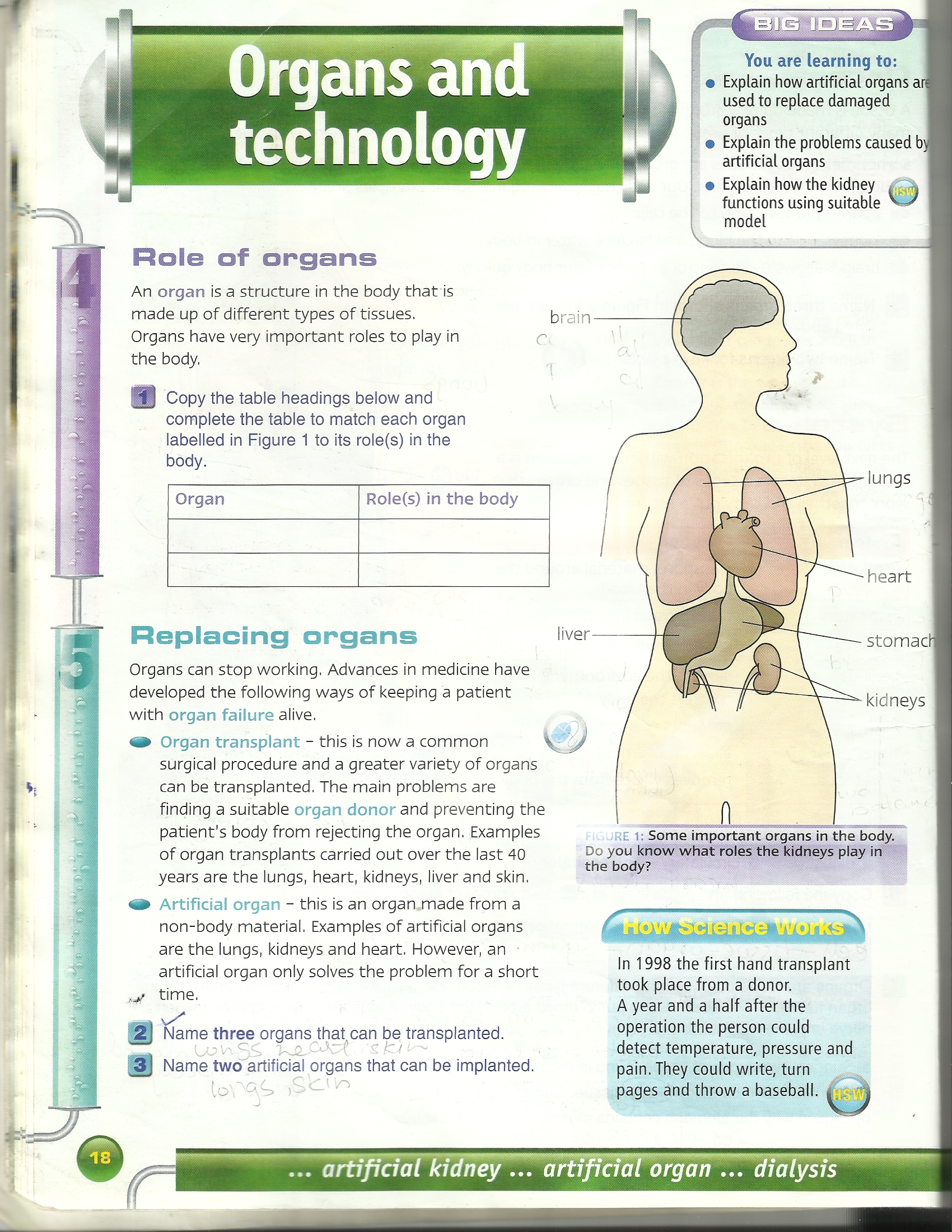
Master the basics of motion and speed calculation. This worksheet features distance-time graph interpretation, unit conversion exercises, and word problems. Designed to build confidence in measuring and comparing speeds, it’s ideal for reinforcing physics concepts in a structured way.
Download Original →