Most special education worksheets treat math like a chore. But here's the thing — for kids who struggle with number sense, a poorly designed worksheet doesn't just fail to teach. It actively shuts them down. That's why I've spent years hunting down special education addition worksheets that actually work, not the generic ones that assume every child learns the same way. The truth is, most printable resources out there are built for neurotypical learners, and they leave our kids frustrated, bored, or both.
You know that moment when a student finally grasps 2+3 after weeks of trying? That's what we're chasing. But right now, you're probably drowning in worksheets that either move too fast or feel insultingly babyish. Your kid deserves materials that meet them exactly where they are — with visual cues, predictable layouts, and just enough repetition to build confidence without crushing their spirit. Honestly, the gap between what's available and what's needed is ridiculous. And it's costing us precious instructional time.
Look — I'm not promising miracle worksheets that magically fix everything. What I will show you is a specific approach to addition practice that sidesteps the usual pitfalls. You'll see why certain visual strategies stick while others bounce right off, and how small tweaks to a worksheet can turn a meltdown into a breakthrough. Stick with me. This is the stuff the curriculum guides never tell you.
Let me be blunt: most math worksheets for kids with special needs miss the mark entirely. They're either too visually chaotic or painfully repetitive. I've watched students shut down before even attempting a single problem because the page looked like a wall of numbers. That's where the real art of instruction comes in—not just handing out drills, but crafting experiences that actually stick.
Why Most Drill Sheets Fail Students Who Need Them Most
The standard worksheet assumes every child processes information the same way. They don't. A student with dyscalculia might see "3 + 2" and freeze because the numeral-to-quantity connection isn't automatic. A child with ADHD might skip every other problem because their eyes dart to the next bright spot on the page. Here's what nobody tells you: the layout matters more than the math itself. I've seen kids go from zero to ten correct answers just by switching from a dense grid to a single row of problems with clear, separated boxes.
When I work with teachers, I push them to think about three things: visual noise, cognitive load, and repetition variety. A page crammed with clip art, borders, and multiple fonts isn't "fun"—it's a sensory minefield. Strip it down. One operation at a time. Use a consistent font, generous spacing, and a single focal point per line. That's not coddling; that's teaching the way the brain actually learns.
Another overlooked factor is the progression of difficulty. Too many resources jump from single-digit addition straight to regrouping, skipping the critical middle ground of sums to 10. That gap is where frustration lives. Mastery of sums to 10 is the foundation for everything else, yet it's often rushed through in a week. Slow down. Let them overlearn it. The confidence gained there pays dividends later.
What a Well-Designed Practice Page Actually Looks Like
Imagine a page with just six problems, each in its own large box. The number "5" is printed in bold, with a small dot grid underneath so the student can count if needed. No cartoon characters. No distracting backgrounds. The second row repeats the same five problems but rearranges the addends—3+2 becomes 2+3. This subtle change forces the brain to recognize commutativity without a formal lecture. That's the kind of deliberate design that works.
When to Push and When to Pause
Here's a concrete tip: use a simple timing strategy. Give the student 90 seconds to complete as many problems as they can comfortably. Then count the correct answers. Do this daily. When they hit the same number three days in a row, it's time to increase the difficulty—not before. Most teachers push too fast because they're bored, not because the student is ready. Let the data guide you, not the pacing guide.
The Role of Concrete Tools Alongside Paper
Worksheets should never be the only tool. Pair them with physical counters—buttons, dried beans, or unifix cubes. Have the student build the problem before writing the answer. This bridges the abstract number with a tangible quantity. I've seen a child who couldn't do "4+3" on paper nail it after lining up four red cubes and three blue ones. The worksheet becomes the record of what they already understand, not the place where they struggle to learn it.
| Feature | Poor Worksheet | Effective Worksheet |
|---|---|---|
| Problems per page | 20-30 | 6-10 |
| Visual elements | Clip art, multiple fonts, colored borders | One font, no images, ample white space |
| Number range | Jumps from 0-5 to 0-20 | Stays within 0-10 until mastery |
| Support tools | None | Dot grids or number line at top |
If you're building a library of resources, remember that fewer problems with better structure always win. The goal isn't to fill time—it's to build a mental model of addition that the student can rely on for years to come. That means every single problem on that page should serve a purpose. No fluff. No filler. Just clear, patient practice that respects where the learner actually is.
The Moment You Realize What's Possible
You've spent time here digging into strategies that can genuinely shift how a child experiences math. That matters more than you might think right now. Every worksheet you prepare, every problem you break down, is a small act of defiance against the idea that some kids just "can't do math." You're building something quieter but more powerful: a foundation where frustration gives way to the quiet satisfaction of getting it right. That feeling—when a student's eyes light up because they finally see the pattern—isn't just a win for them. It's a win for you, for the patience you've invested, and for every late night spent searching for resources that actually work.
Maybe there's a tiny voice wondering if you're doing enough, or if the worksheets you're using are truly tailored enough. Here's the truth: you don't need perfection. You need persistence. The fact that you're here, reading this, thinking about how to make addition click for a learner who thinks differently—that already puts you ahead. What if the most important teaching tool isn't the worksheet, but the belief that they can get there? Your willingness to adapt, to try again tomorrow, is the real curriculum.
So before you click away, do one thing: save this page. Bookmark it, share it with a colleague who's struggling, or open our gallery of special education addition worksheets right now. You don't need to use every resource today. Just knowing they're here, waiting for you, changes the game. When frustration hits later—and it might—you'll have a place to come back to. That's not pressure; that's preparation. Go ahead, take the next small step. Your student is ready when you are.
SPECIAL EDUCATION ADDITION WORKSHEETS
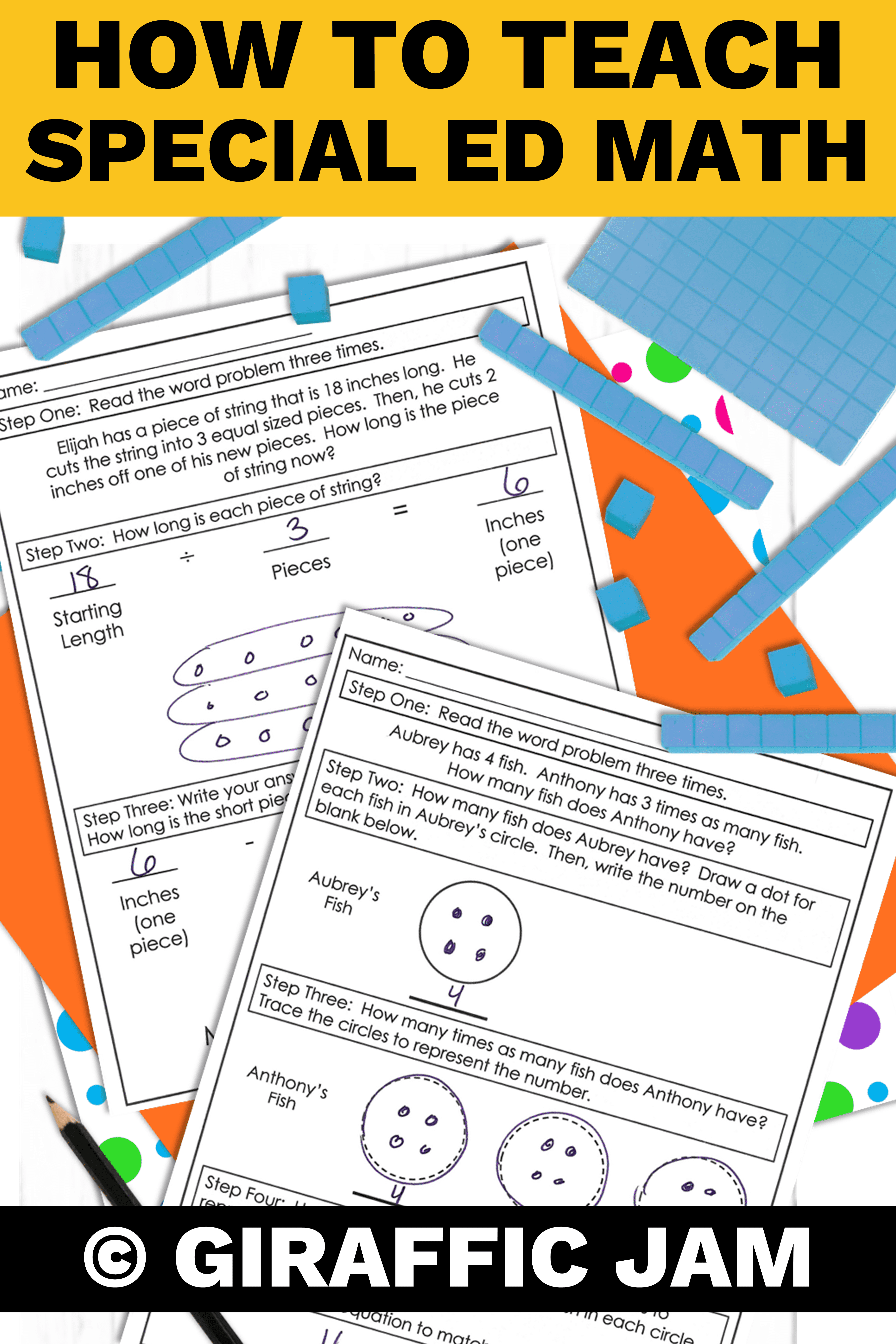
Most special education worksheets treat math like a chore. But here's the thing ...
Download Original →Colorful Addition Fun for Special Learners
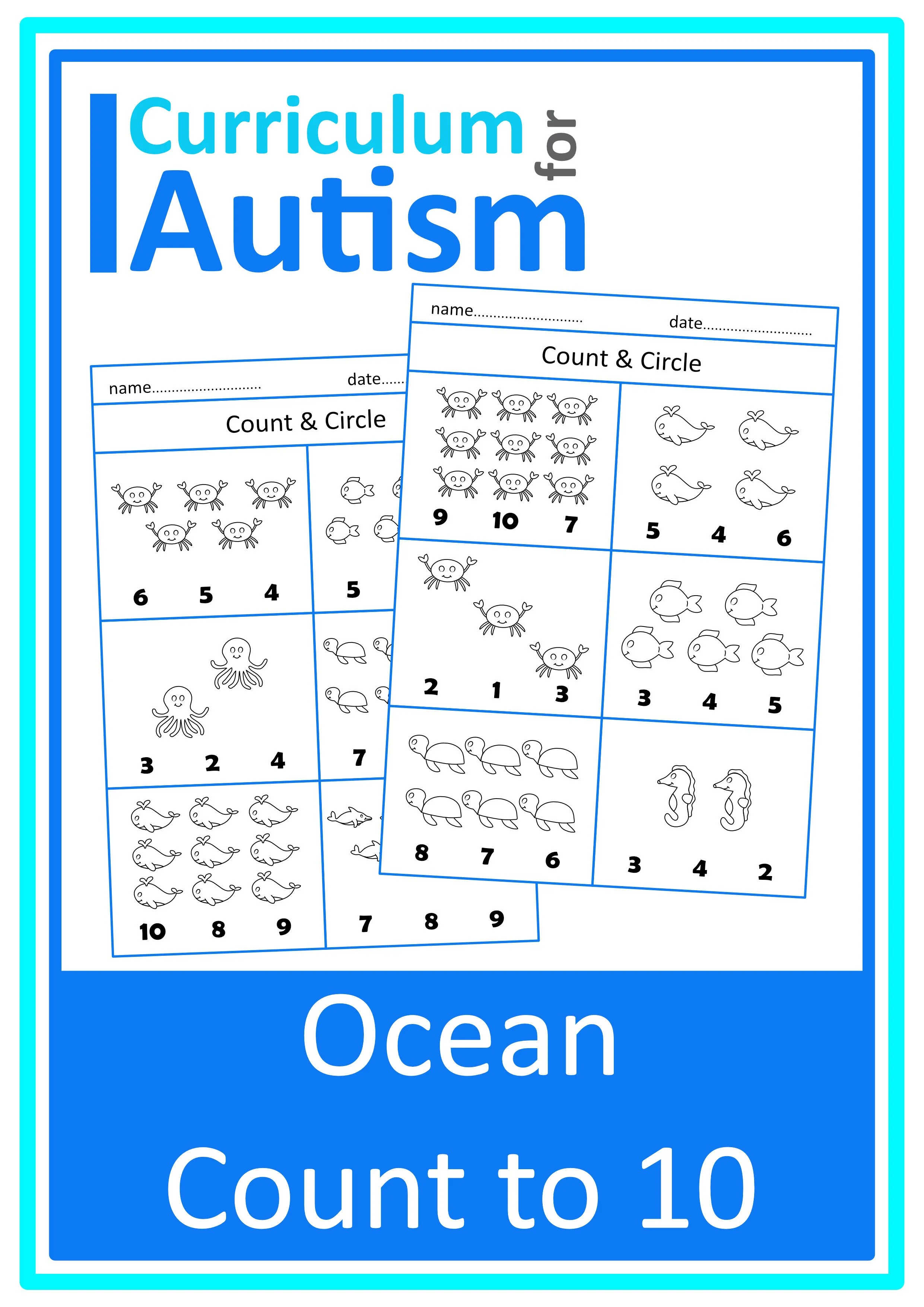
Bright, engaging worksheet with large numbers and visual counters like stars or apples. Designed for special education students to practice single-digit addition in a low-stress, supportive format with clear instructions.
Download Original →Simple Picture Addition Practice Sheet
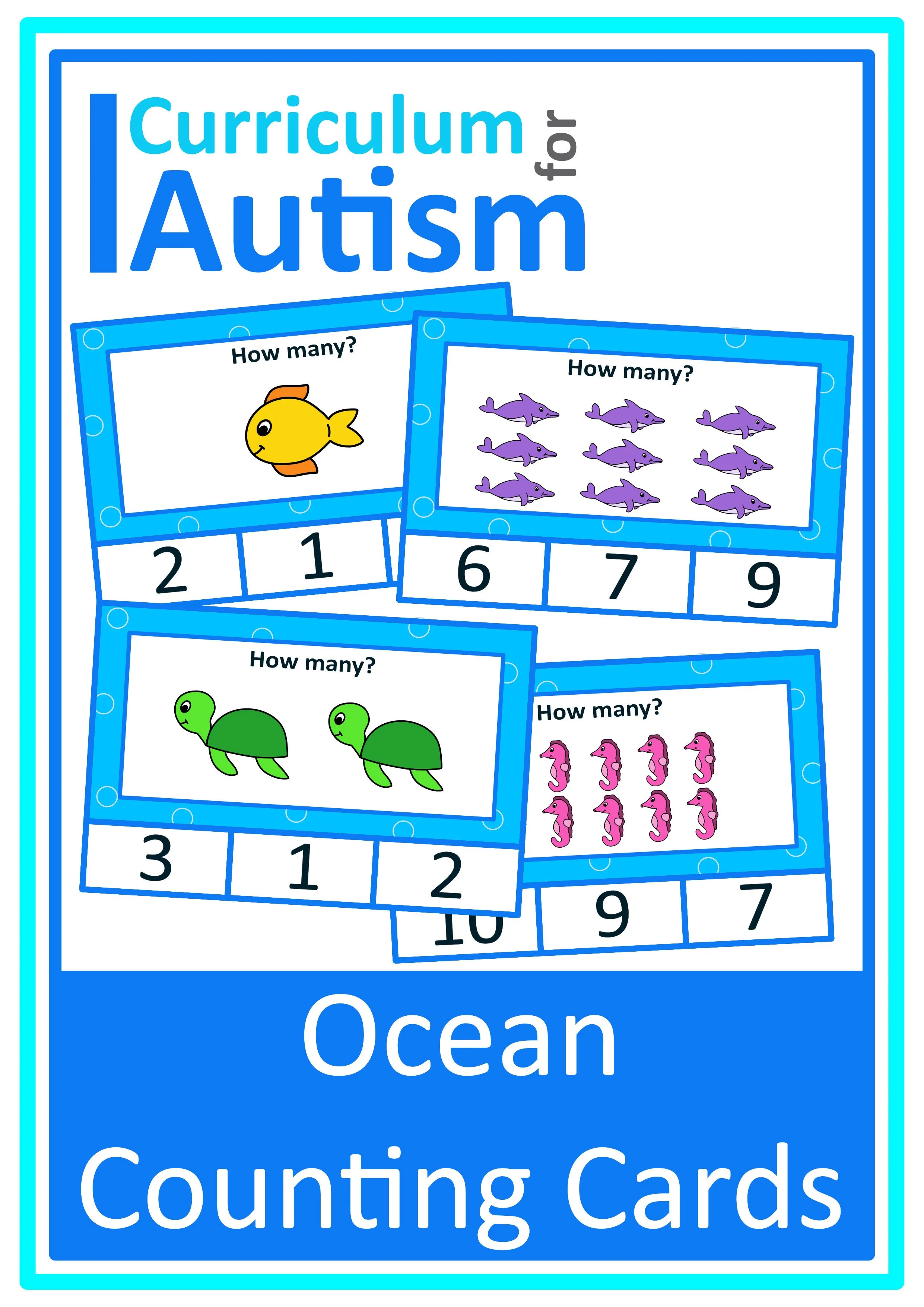
Uses familiar objects like balloons and fish to teach basic addition. Each problem includes visual aids to help special needs children count and combine groups, fostering early math confidence without overwhelming text.
Download Original →Touch Point Addition for Special Ed
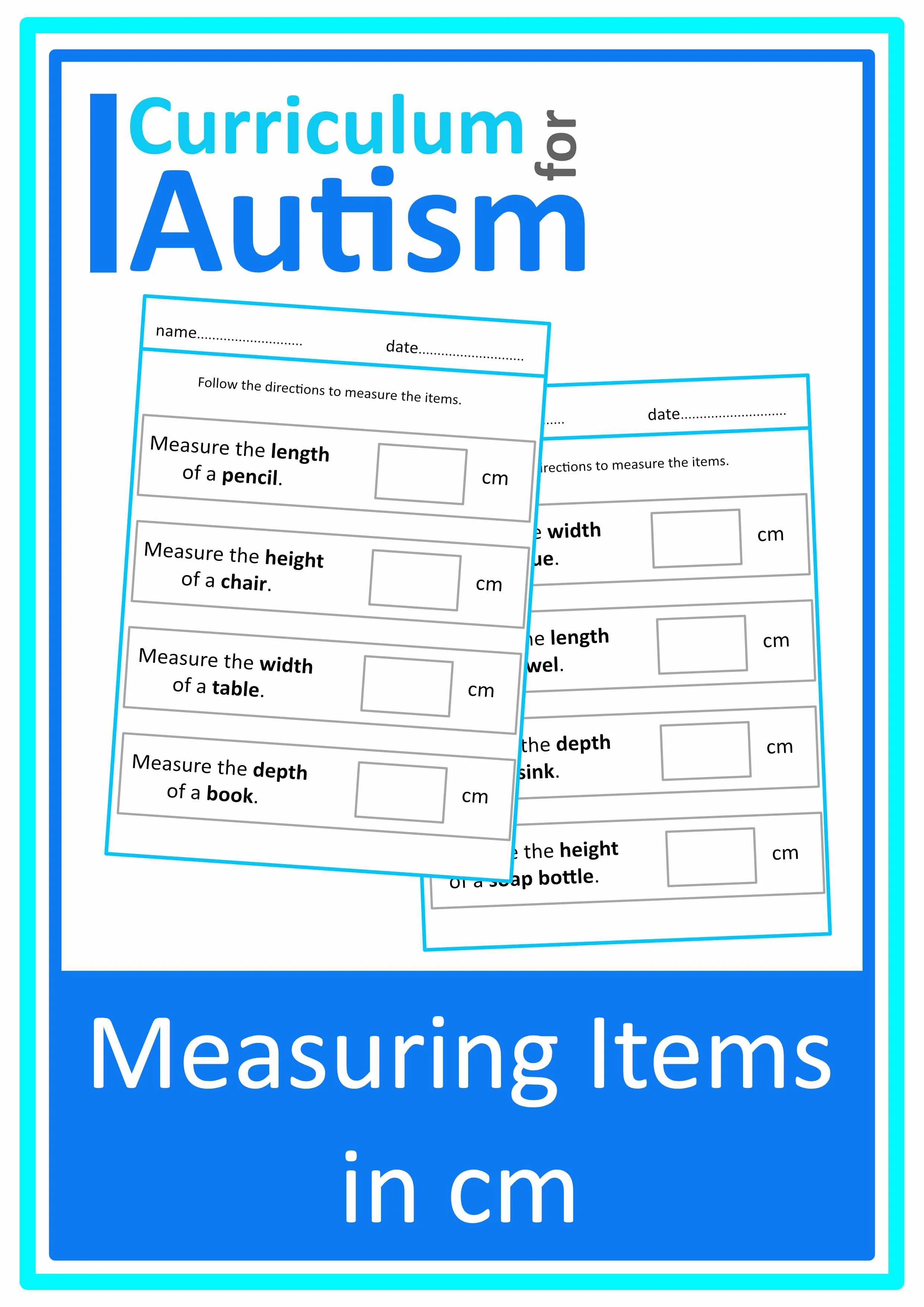
Features numbered dots on each addend for tactile counting. This specialized worksheet helps students with learning disabilities master addition by physically touching and counting points, promoting hands-on understanding.
Download Original →Visual Support Addition Worksheet

Includes large print, bold numbers, and a number line at the top. Designed for children with autism or ADHD, this sheet reduces visual clutter and provides clear, step-by-step addition problems for focused practice.
Download Original →Errorless Addition for Early Learners
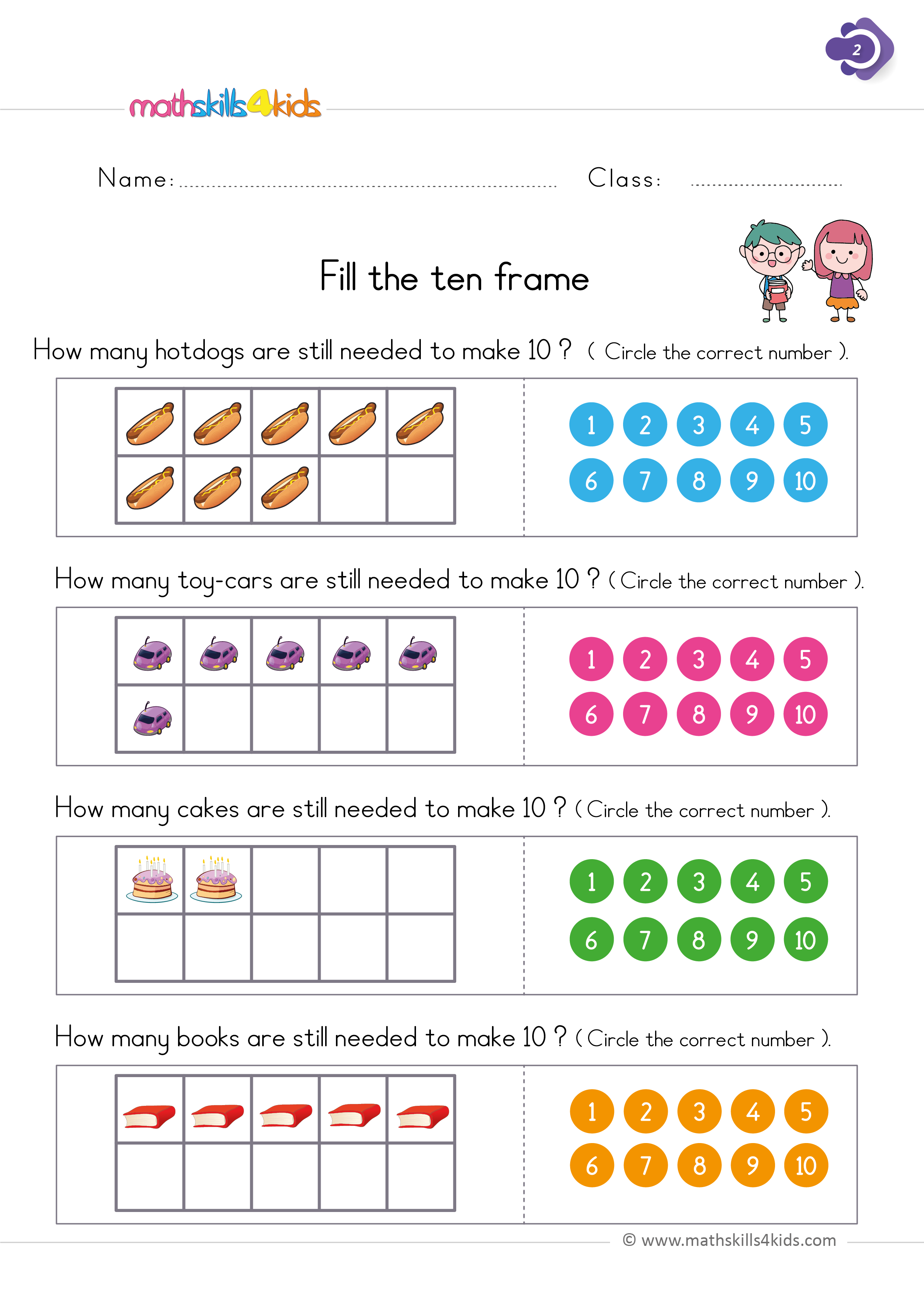
Each problem has only one correct answer option, building success and confidence. Perfect for special education students who need repetitive, low-frustration practice to grasp the concept of adding numbers.
Download Original →Cut and Paste Addition Activity
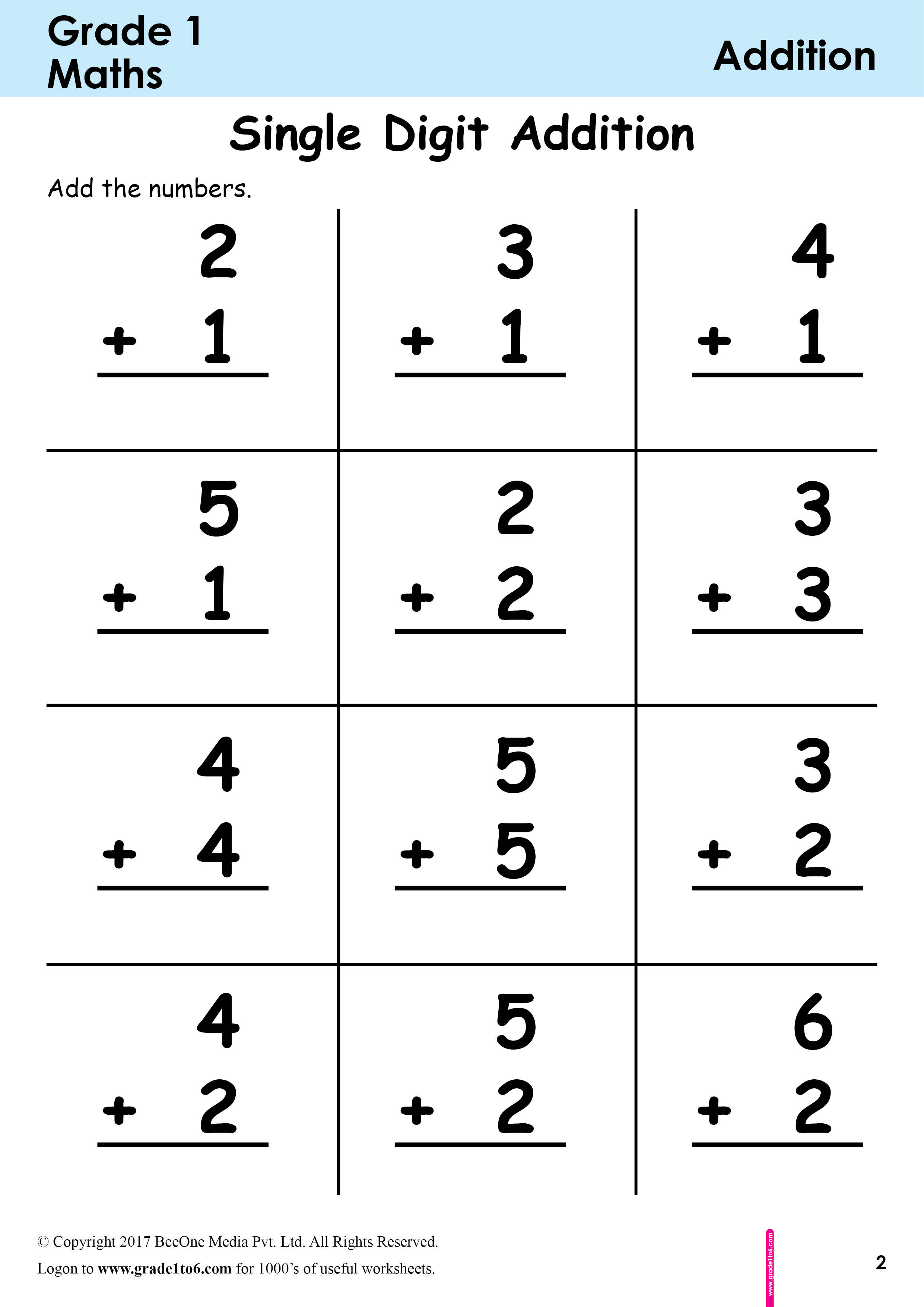
Interactive worksheet where students cut out number tiles and glue them to complete sums. This kinesthetic approach supports fine motor skills and engages special needs learners in a fun, hands-on math task.
Download Original →Repeated Practice Addition Grid

Structured grid with sums up to 10, using consistent formatting for easy focus. Ideal for special education classrooms, this sheet offers repetitive practice to reinforce addition facts through predictable patterns.
Download Original →Number Line Addition Helper

Each problem includes a visual number line from 0 to 20. Students can hop forward to find sums, making abstract addition concrete. Designed for children with cognitive delays to build number sense.
Download Original →Large Print Addition with Counting Dots
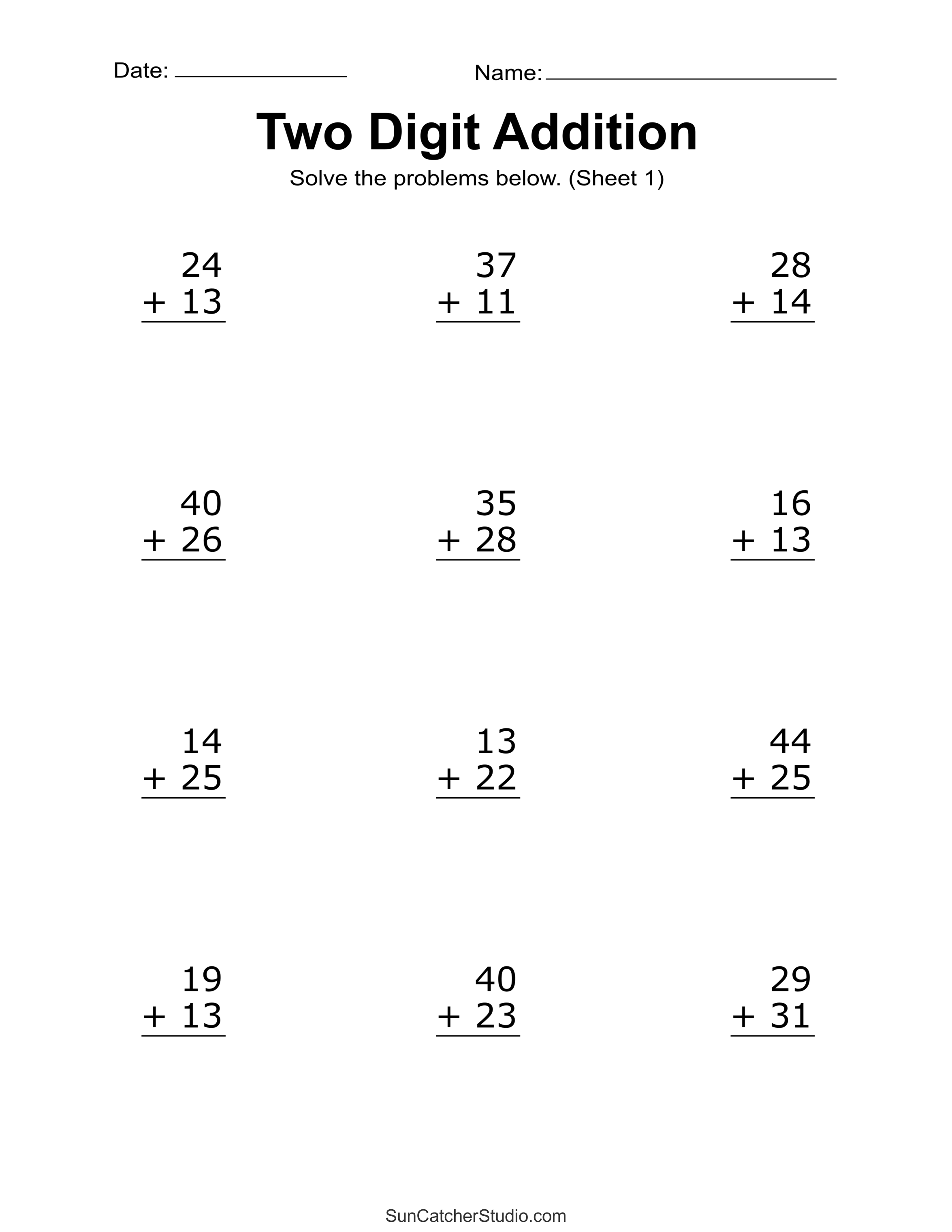
Extra-large numbers and corresponding dot arrays under each addend. This worksheet reduces visual stress and helps special education students count one-to-one, supporting foundational addition skills.
Download Original →Themed Addition Story Problems

Uses simple, relatable scenarios like sharing toys or counting snacks. Each problem includes a picture and short sentence, helping special needs students connect real-life situations to addition concepts.
Download Original →Fun with Addition: Special Education Math Practice

Engaging addition worksheets designed for special education students. Features large fonts, simple layouts, and visual aids like counting dots. Perfect for building foundational math skills with repetitive practice and clear instructions for independent or guided learning.
Download Original →Visual Addition Worksheets for Special Learners

Colorful addition worksheets tailored for special education classrooms. Each page includes picture-based problems, number lines, and touch points to support diverse learning needs. Ideal for reinforcing basic addition concepts through hands-on, accessible activities that promote confidence.
Download Original →Simple Addition Drills for Special Education

Structured addition worksheets with minimal distractions for special education students. Problems focus on sums up to 10, using number bonds and ten frames. Great for daily practice, homework, or math centers, helping learners master addition at their own pace.
Download Original →Adapted Addition Worksheets for Special Needs

Specially designed addition worksheets with visual cues and step-by-step prompts for special education. Includes errorless learning options and manipulatives like counting bears. Supports fine motor skills with large answer spaces, making math accessible and enjoyable for all learners.
Download Original →