SPECIAL EDUCATION CLASSROOM RESOURCES

You've got a student who needs more than a worksheet and a prayer, and your supp...
Download Original →Sensory Break Station in a Special Education Classroom
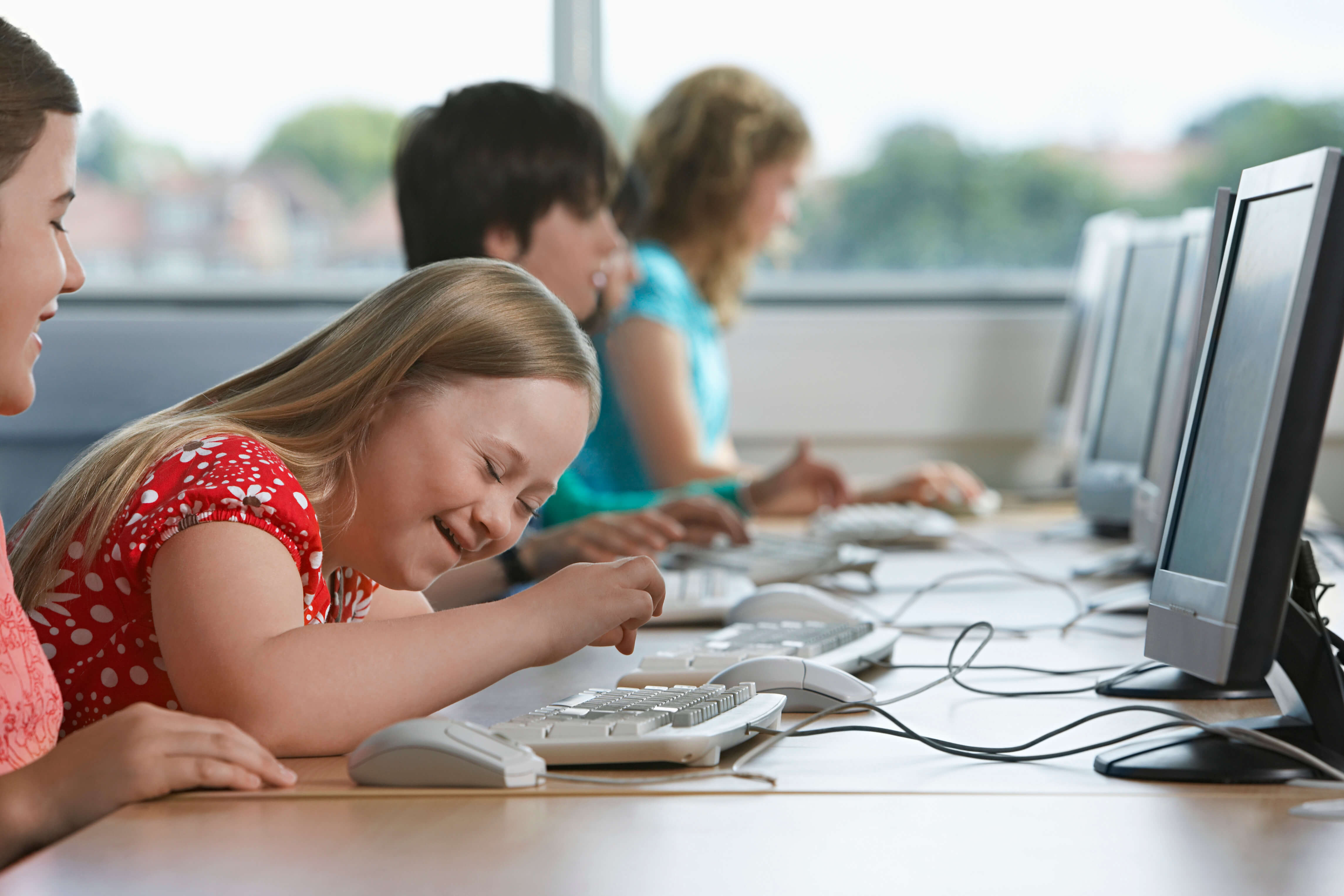
A calm corner with weighted blankets, fidget toys, and noise-canceling headphones. Soft lighting and a beanbag chair help students self-regulate. This resource supports emotional grounding and reduces overstimulation during the school day.
Download Original →Visual Schedule Board for Daily Routines
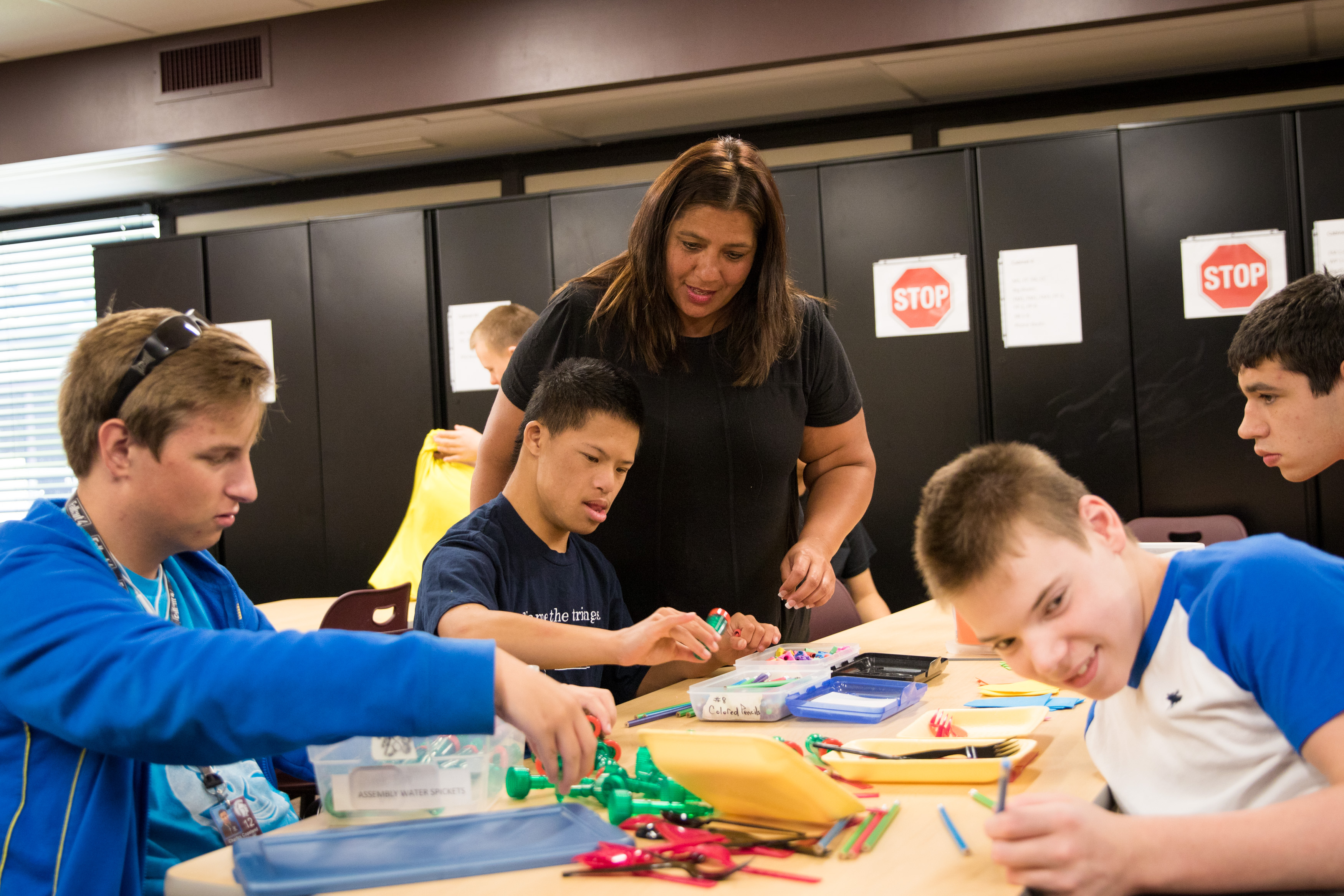
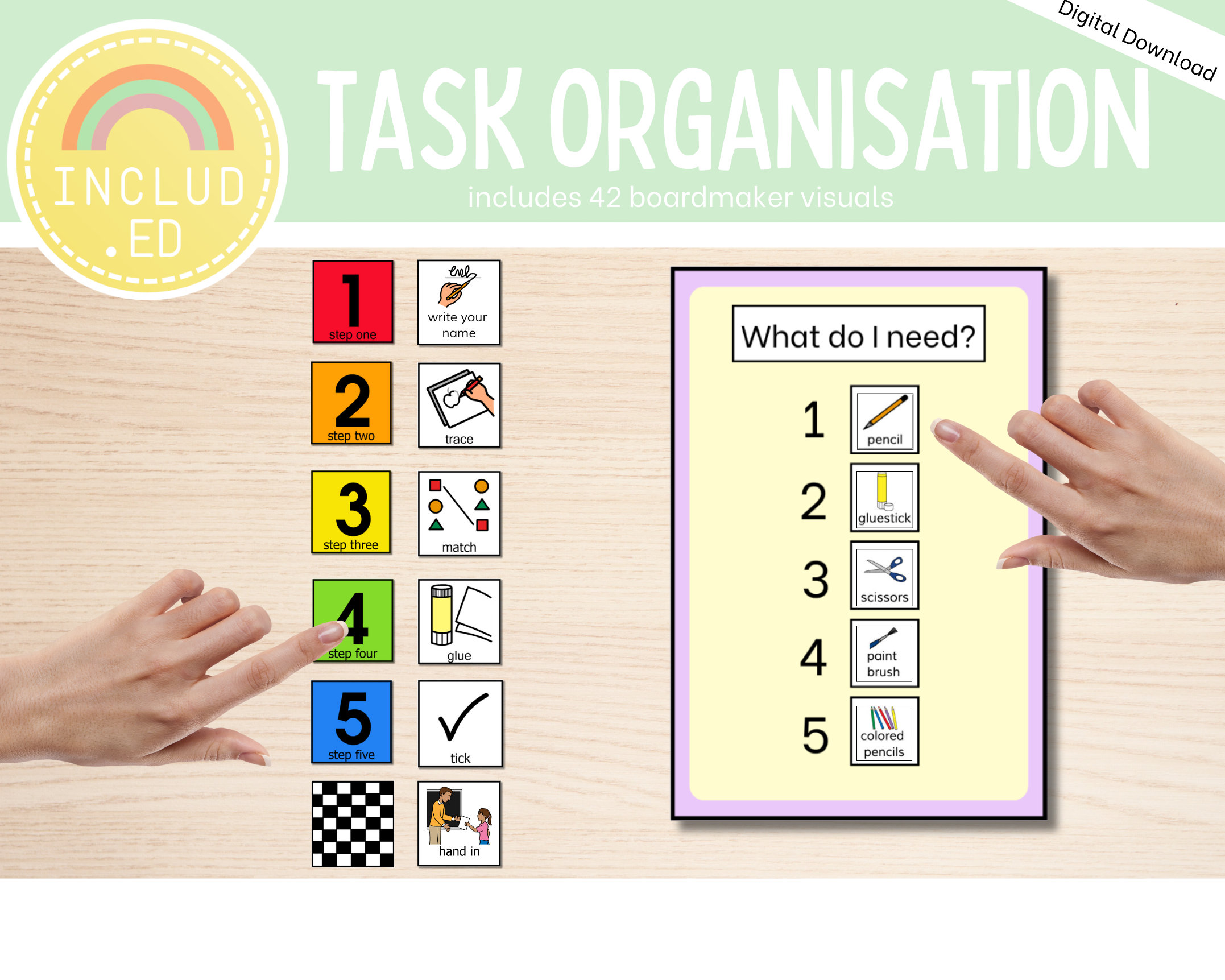
Colorful laminated cards with icons for activities like math, snack, and recess. Arranged on a magnetic whiteboard, this tool helps students with autism understand transitions. Clear visuals reduce anxiety and build independence in following routines.
Download Original →Adapted Pencil Grips and Writing Tools
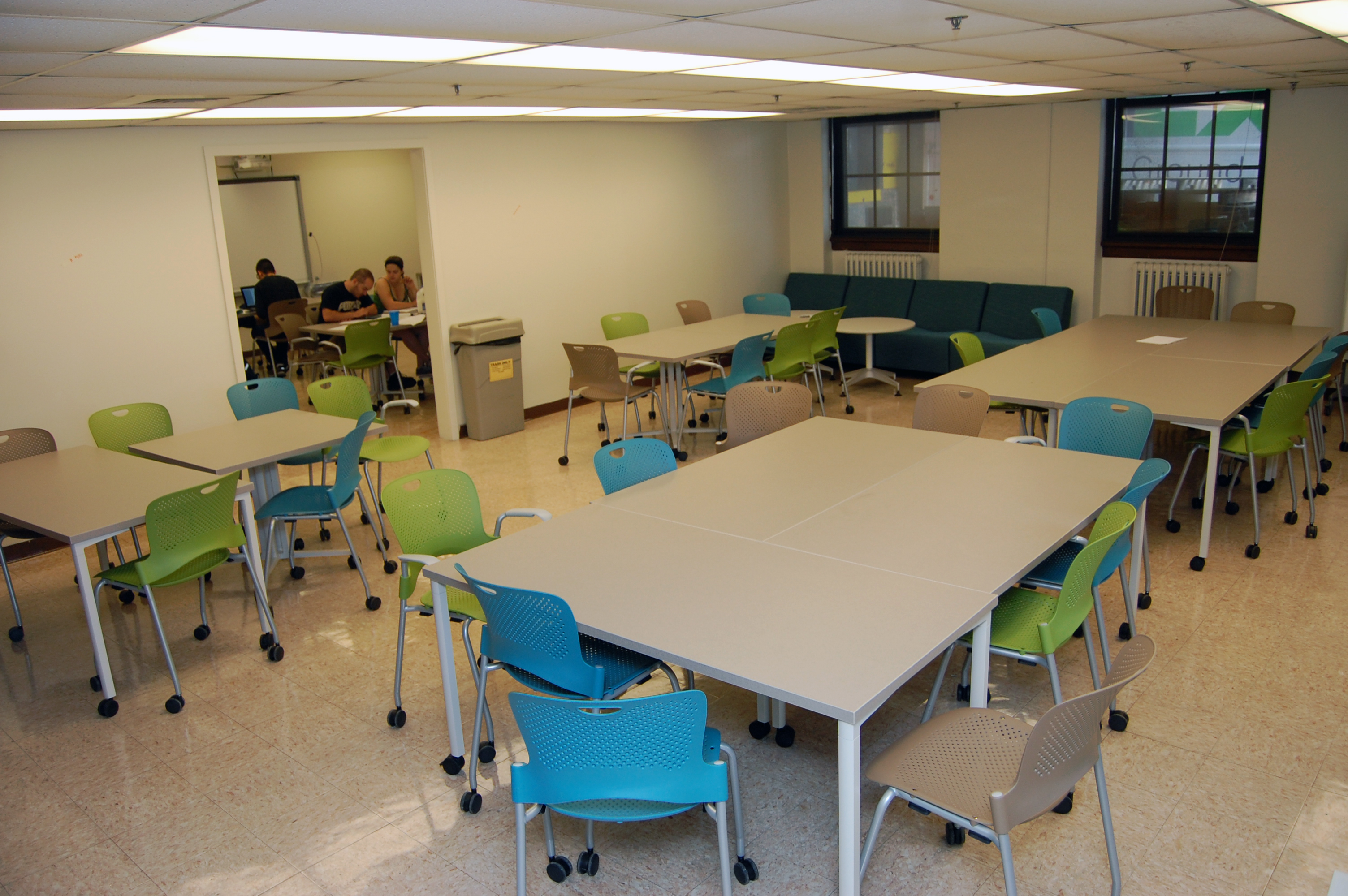
Ergonomic grips, slant boards, and weighted pencils arranged on a tray. These tools assist students with fine motor delays. They promote proper hand positioning and reduce fatigue, enabling more comfortable and legible writing practice.
Download Original →Social Skills Storybook Set on a Shelf

A collection of short, illustrated books covering topics like sharing and waiting. Each story uses simple language and pictures to teach appropriate behaviors. Teachers use them for group read-alouds to build peer interaction skills.
Download Original →Noise-Reducing Headphones and Quiet Cubicles
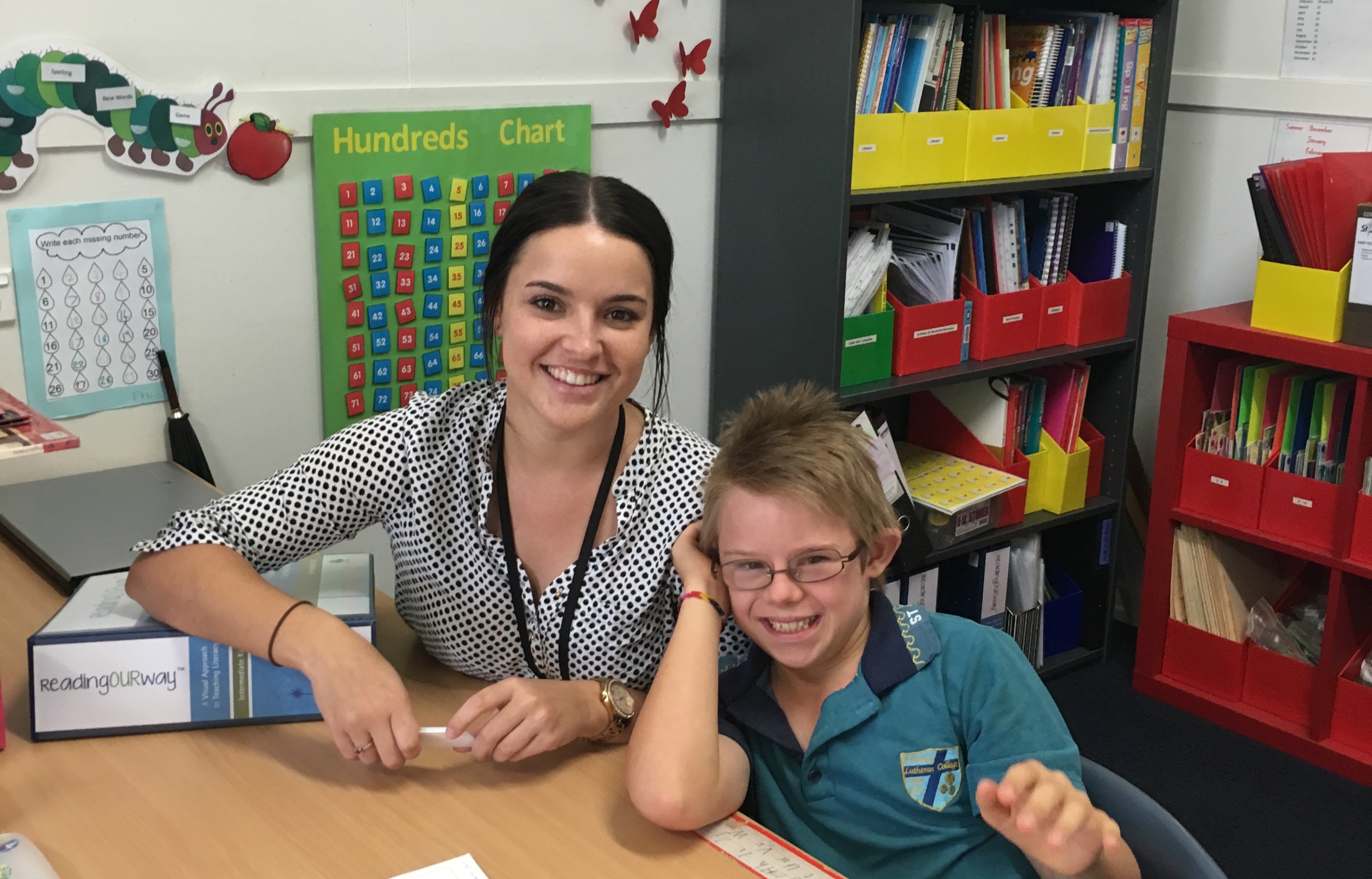
Foldable study carrels and over-ear headphones placed on a desk. These resources minimize auditory distractions for students with sensory sensitivities. They create a focused workspace, helping learners concentrate on tasks without overwhelm.
Download Original →Fine Motor Task Boxes with Locks and Beads

Plastic bins containing lacing cards, tweezers, and small locks. Each box targets a specific skill like grasping or threading. These hands-on activities strengthen hand muscles and coordination, essential for daily living tasks.
Download Original →Communication Board with Picture Symbols

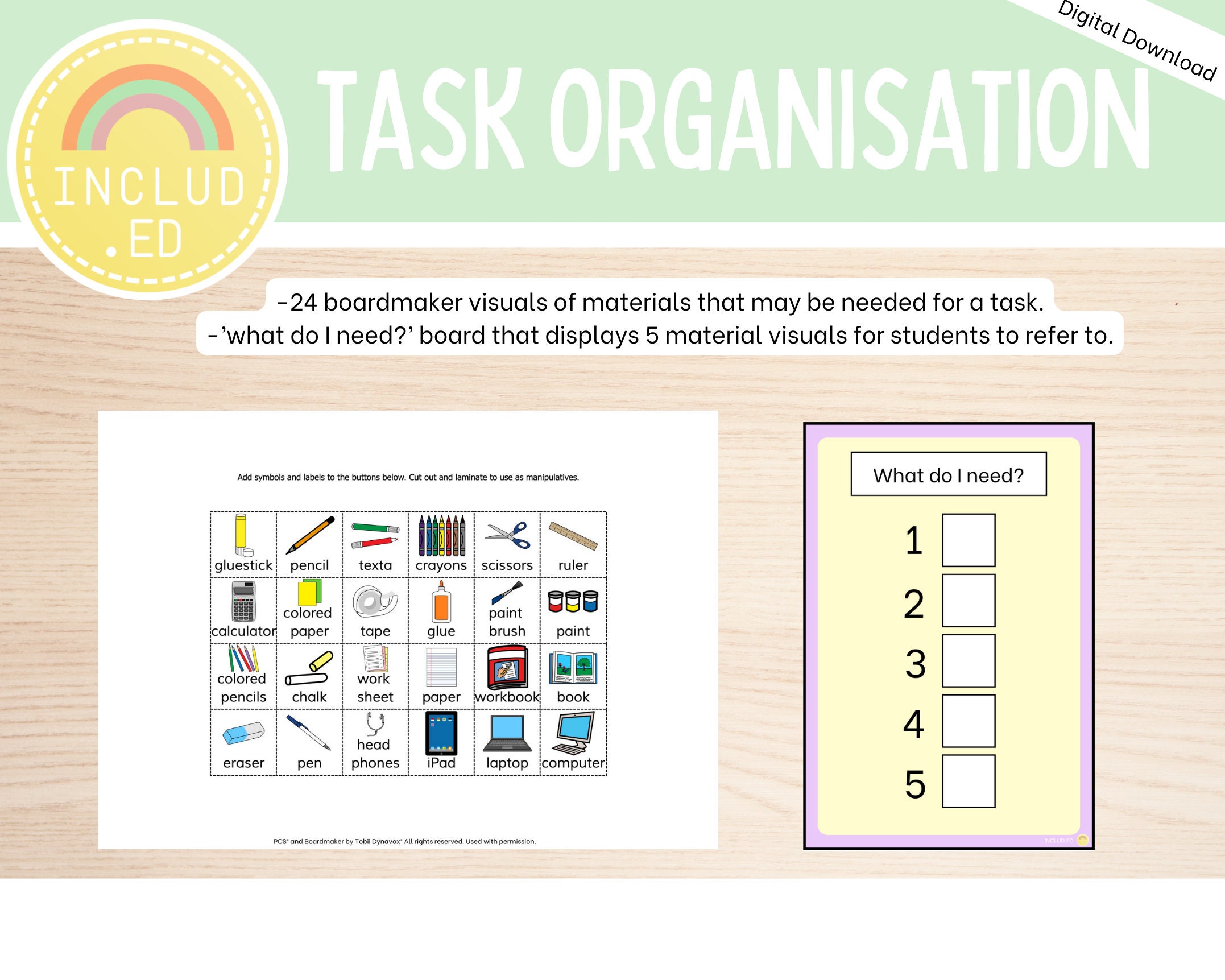
A laminated grid of icons for words like 'yes,' 'no,' 'help,' and 'bathroom.' Nonverbal students point to express needs. This augmentative resource fosters independence and reduces frustration by giving every child a voice.
Download Original →Weighted Lap Pads and Compression Vests
Soft fabric items filled with beads or beans, draped over a chair. These provide deep pressure input to calm the nervous system. Students wear them during seatwork to improve focus and reduce fidgeting.
Download Original →Calm Down Bottles and Liquid Timers
Clear plastic bottles filled with glitter and water, plus hourglass timers. Students shake them and watch the glitter settle. This visual tool teaches self-regulation and patience, offering a quiet reset after emotional moments.
Download Original →Multi-Sensory Alphabet Cards and Sand Trays
Textured letter cards with raised surfaces and shallow trays of colored sand. Students trace letters with fingers, combining touch and sight. This kinesthetic approach reinforces letter recognition for diverse learning needs.
Download Original →Sensory-Friendly Learning Stations
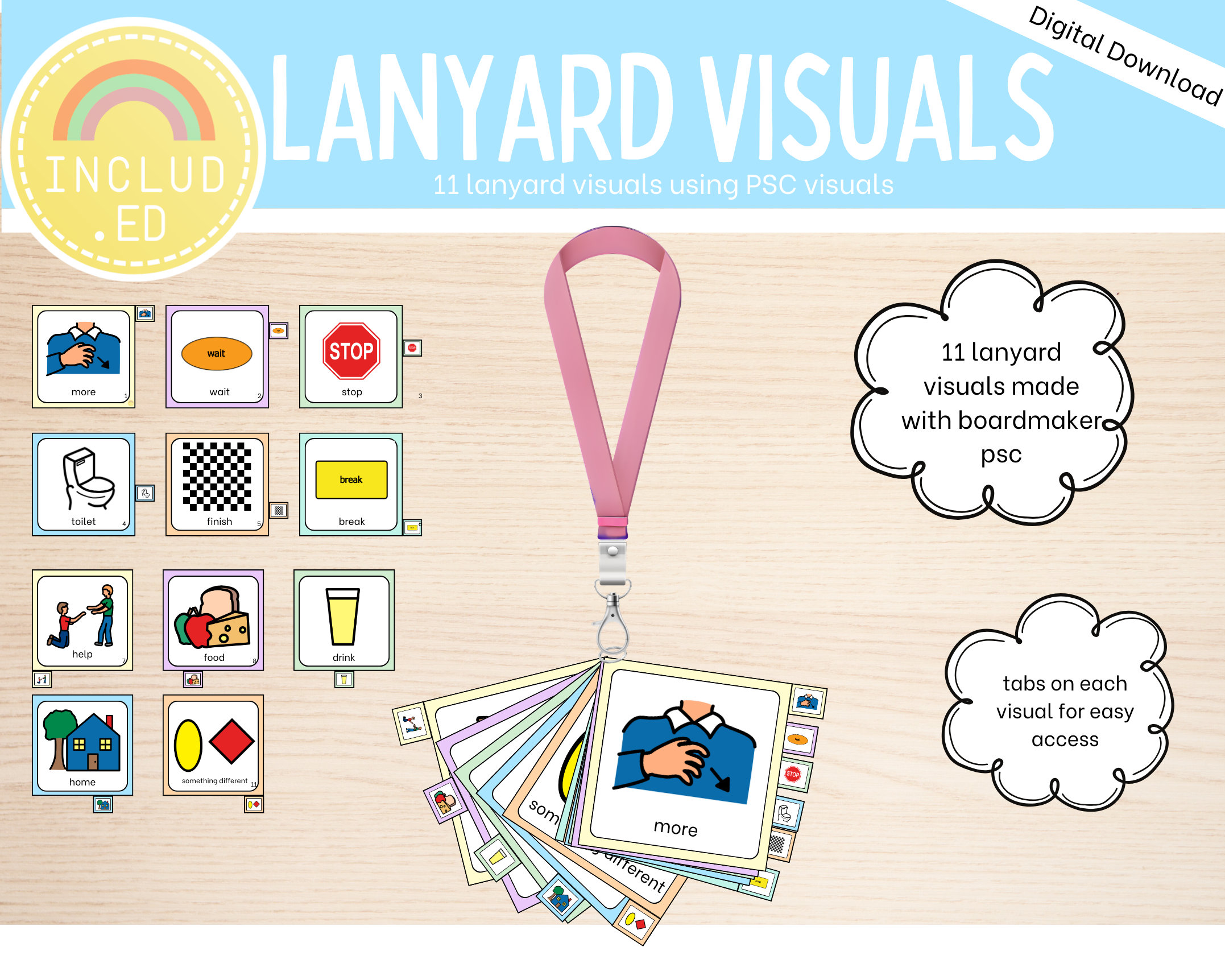
Calm, organized classroom corners with weighted blankets, fidget tools, and noise-canceling headphones. These resources help students with sensory processing needs focus, regulate emotions, and engage in structured, supportive learning activities.
Download Original →Visual Schedule and Communication Boards

Color-coded picture cards and dry-erase boards display daily routines and choices. Essential for non-verbal or autistic learners, these tools reduce anxiety, build independence, and clarify expectations through clear, predictable visual cues.
Download Original →Adapted Manipulatives for Math and Literacy

Large-text flashcards, tactile counting blocks, and letter tiles with grips support diverse fine motor skills. These hands-on resources make abstract concepts concrete, enabling students with disabilities to practice foundational skills at their own pace.
Download Original →Calm-Down Corner with Self-Regulation Tools
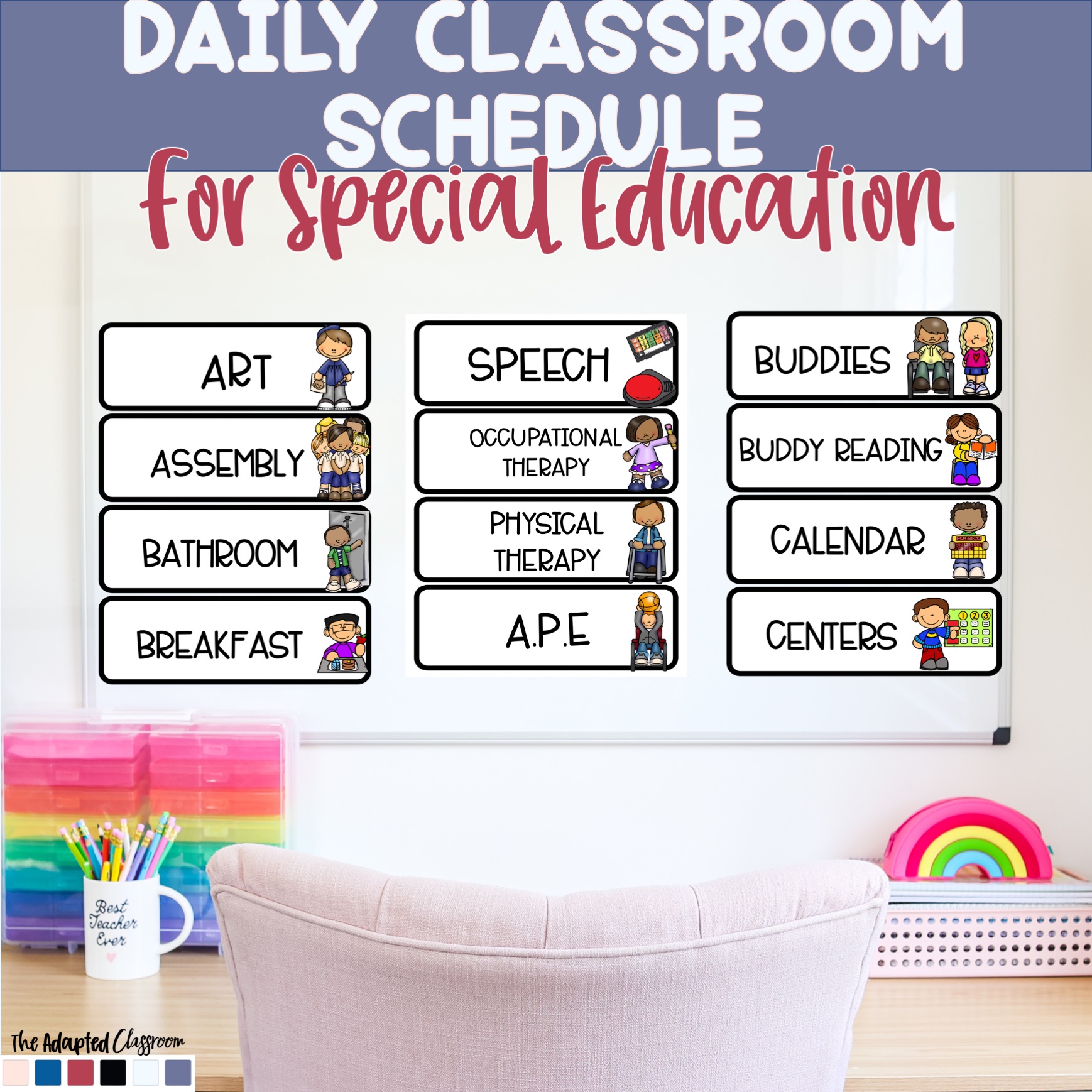
A cozy nook featuring emotion charts, breathing cards, and soft seating. This dedicated space teaches students to identify feelings and use coping strategies, fostering emotional resilience and reducing disruptive behaviors during stressful moments.
Download Original →